

In the 19th century, artists’ mindsets had begun to wander beyond the usual methods and to explore different avenues. These avenues then slowly progressed over time with each movement holding a different aim but a strong link back to its predecessors.
Impressionists
Firstly, the Impressionists began to want to depict scenes as they were in a specific moment, showing the lighting as it was at that time. As a result, these artists would work quickly with little concern as to the precision of the subject matter, more the colours seen and which they wished to portray.
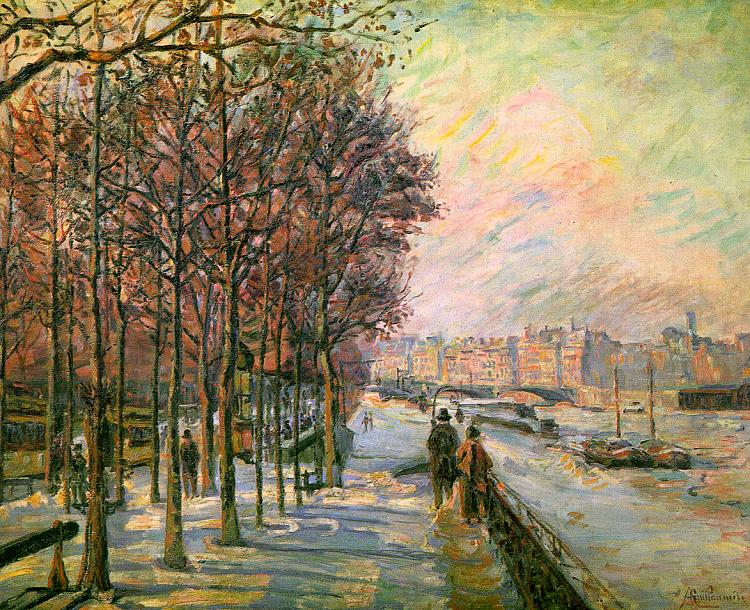
Fig. 1. Guillaumin, A. La Place Valhubert (1875) 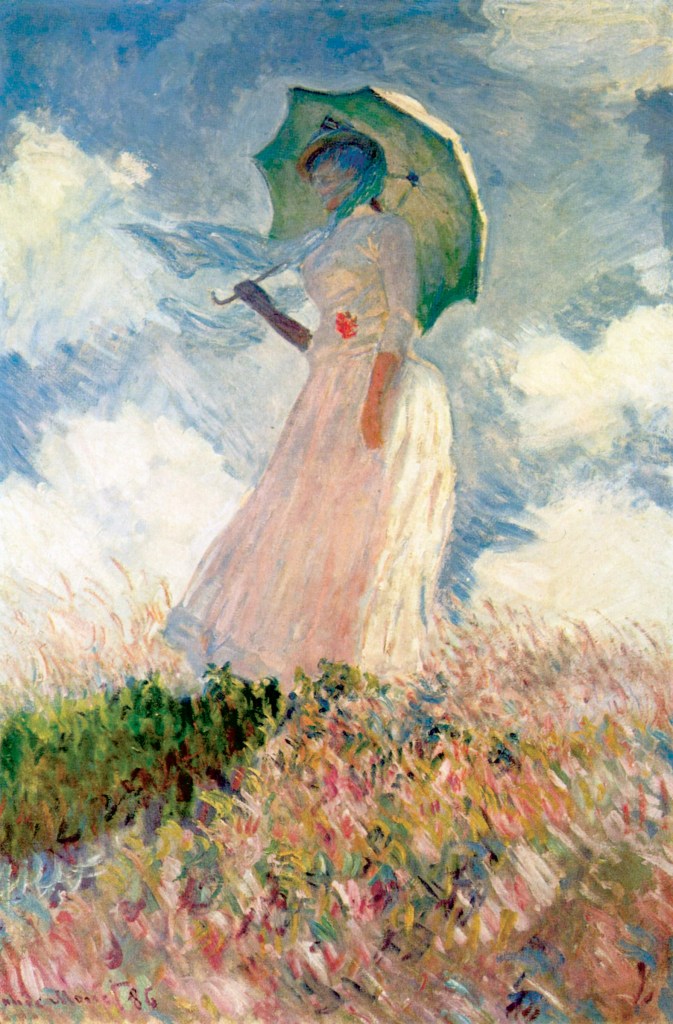
Fig. 2. Monet, C. Study of a Figure Outdoors: Woman with a Parasol, Facing Left (1886) 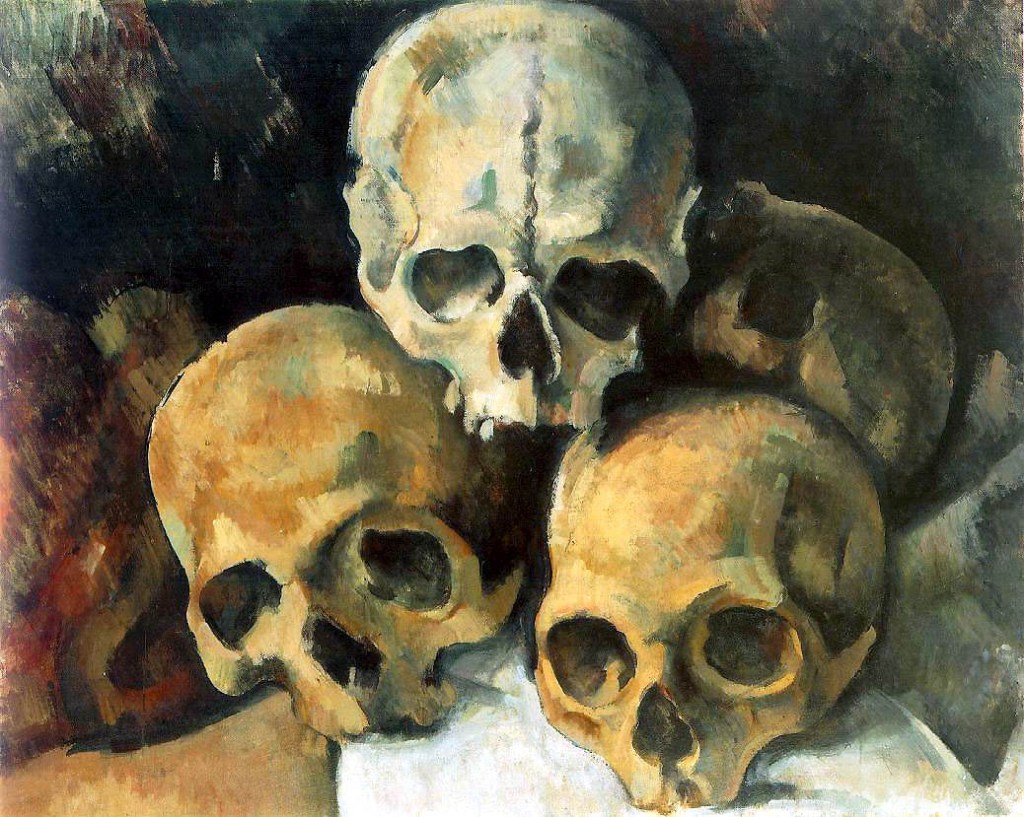
Fig. 3. Cézanne, P. Pyramids of Skulls (c. 1901)
I really like this fast, uncaring and unforgiving method of working and feel it actually rather suits my own style in one sense. I think I would enjoy creating a piece in this manner. It is really apparent that the artists from this period really had thrown out the rule book created by the Old Masters and the new-found love of colour and experimentation is instantly visible in the pieces. Even in Fig. 3., whilst the hues and tones are somewhat darker than the others, they are still rather vibrant, less refined and exciting to behold with their blue and yellow hues in what would previously have been considered random placements.
Post-Impressionists
Post-Impressionism came next and saw artists focus on their own desires, exploring colours and techniques even further than the Impressionists had dared to go. The colours used within these pieces are unnatural and vibrant, evoking emotion and symbolism with little realism found within.
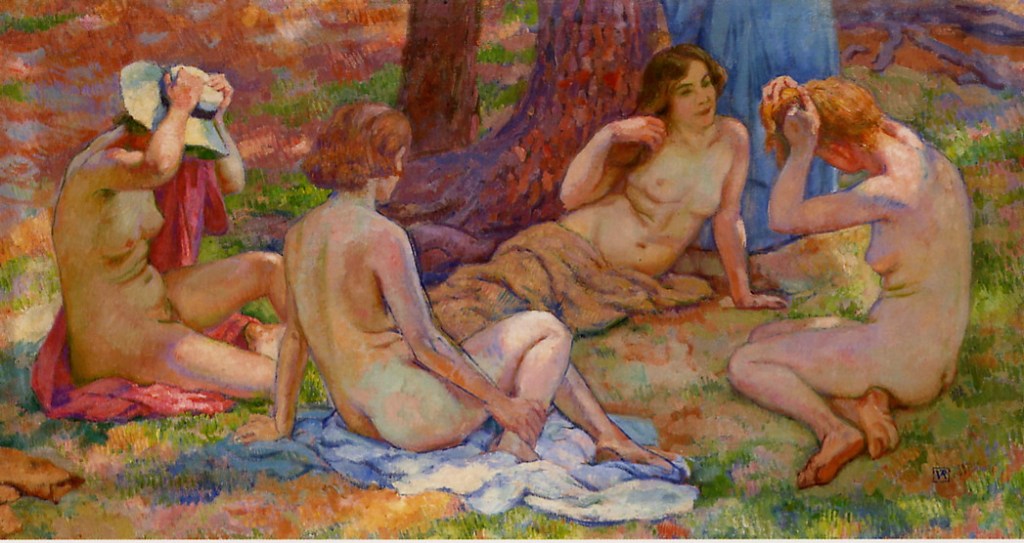
Fig. 4. van Rysselberghe, T. Four Bathers (Unknown) 
Fig. 5. Cross, H. Clearing in Provence (Study for “The Clearing”) (c. 1906) 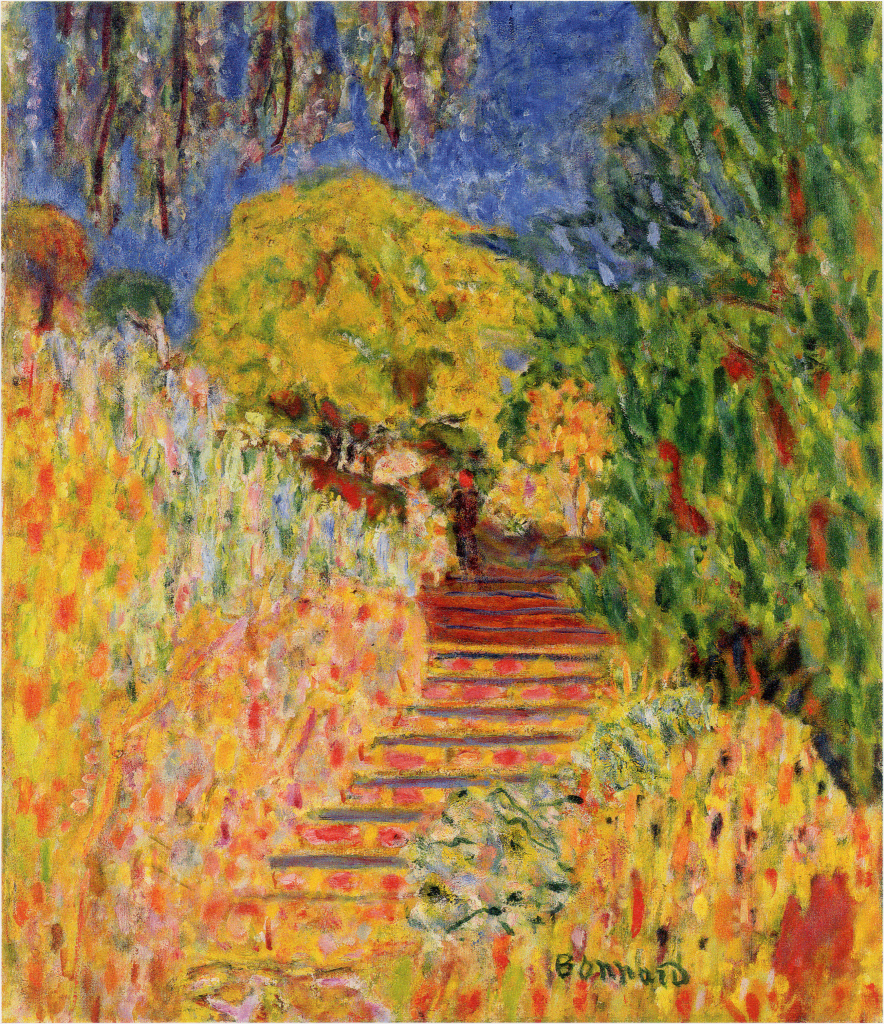
Fig. 6 . Bonnard, P. Stairs with Mimosa (c. 1946)
Again, this method is one which appeals to me not only in admiration, but in potential for recreating within my own work. I especially like the techniques used in Fig. 5. and Fig. 6. due to their lack of self-control and unrealistic colours. The lack of perfection in both of these areas, as well as a relaxed approach to perspective and technical skill really does resonate with me in the works I have created so far. I feel a mix of these techniques would be a good idea for me to attempt to recreate within my future pieces.
Neo-Impressionists
Science was ever evolving during these times and was becoming much of an interest to many. Artists soon began to consider the science which could potentially be found and applied to their own works. Light was still of extreme interest, as was colour theory (as researched previously) to these artists and so they began to expand on the techniques developed by the Impressionists and Post-Impressionists and refined them to a much ‘tidier’ standard – almost as how televisions have gone from very bitty images to the quality we have today. These artists were intrigued by the potential of optics and so no longer left to chance the combinations used, applying a more scientific approach to their pieces. Whilst subject matter was still not quite as important to these artists, it was portrayed in a much more controlled manner.
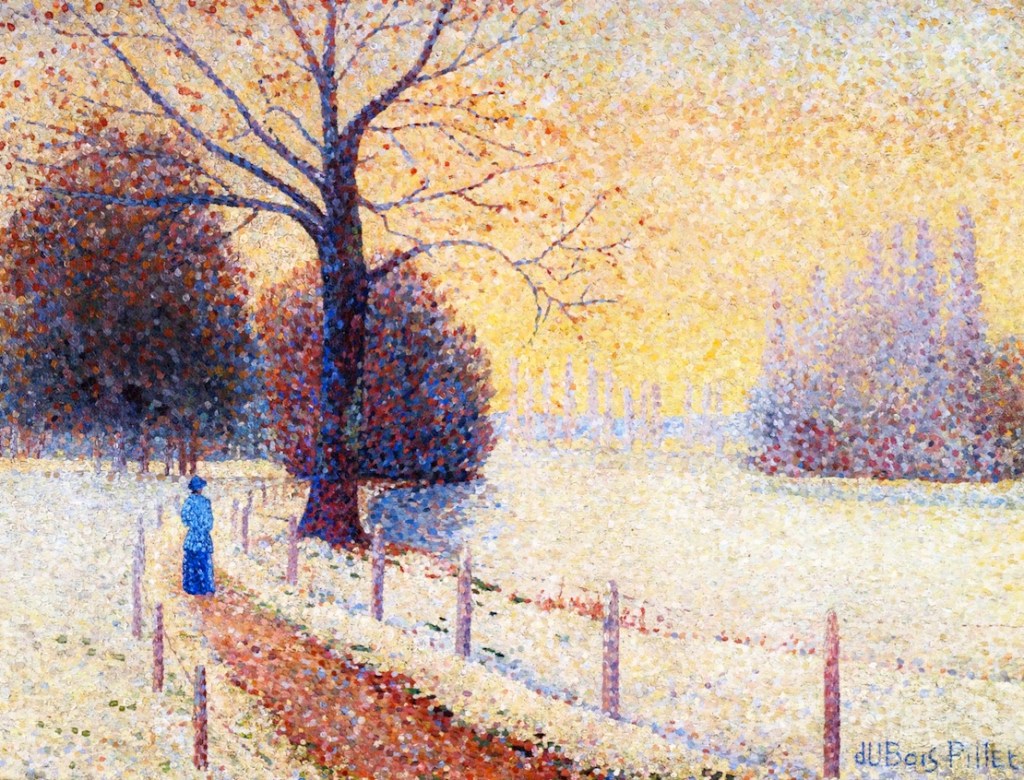
Fig. 7. Dubois-Pillet, A. Le Puy in the Snow (1889) 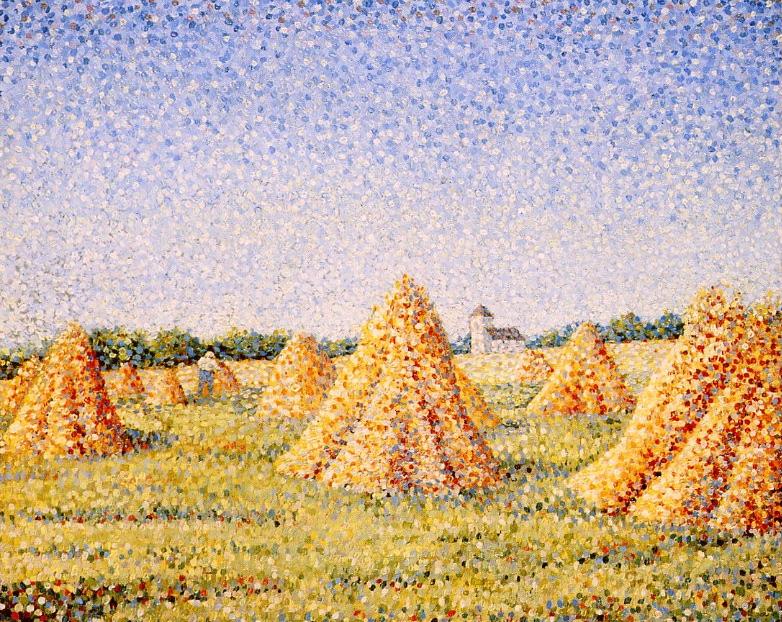
Fig. 8. Angrand, C. The Harvest (1890) 
Fig. 9. Luce, M. The Port of Saint-Tropez (1893)
These works are beautiful without question and the vibrancy of the light shown from within is breathtaking to behold. I can imagine this type of work taking considerable amounts of time, precision and concentration to complete just the smallest of sections and so this method does not appeal to me as much as the freer, more spontaneous nature of its ancestors.
Pointillists
These artists built upon the efforts of the Neo-Impressionists and used only tiny dots of pure pigment to create their pieces, again using juxtaposition to create the illusion of solid objects within. As with its ancestors, this movement was not interested in subject matter, just the application of the paint and the effect of the dots blurring together, creating the basis on which pixels within our televisions and computers were derived from. The smaller and closer together the dots were, the crisper the lines would appear and the more successful the overall illusion would be.
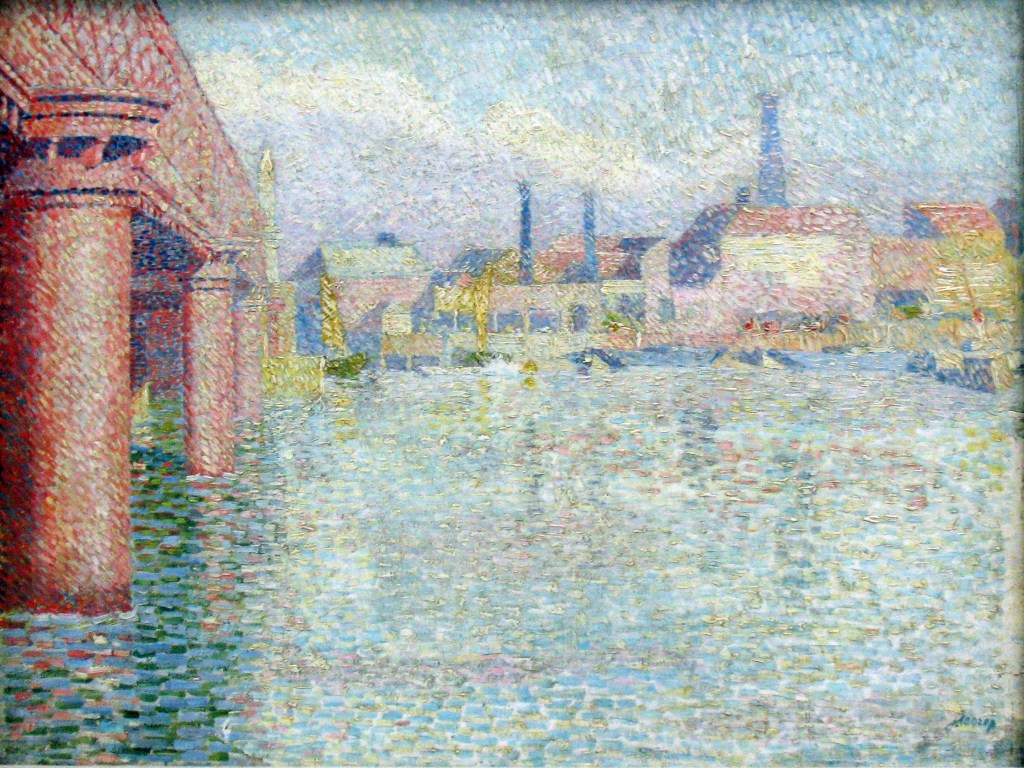
Fig. 10. Toorop, J. Bridge in London (1889) 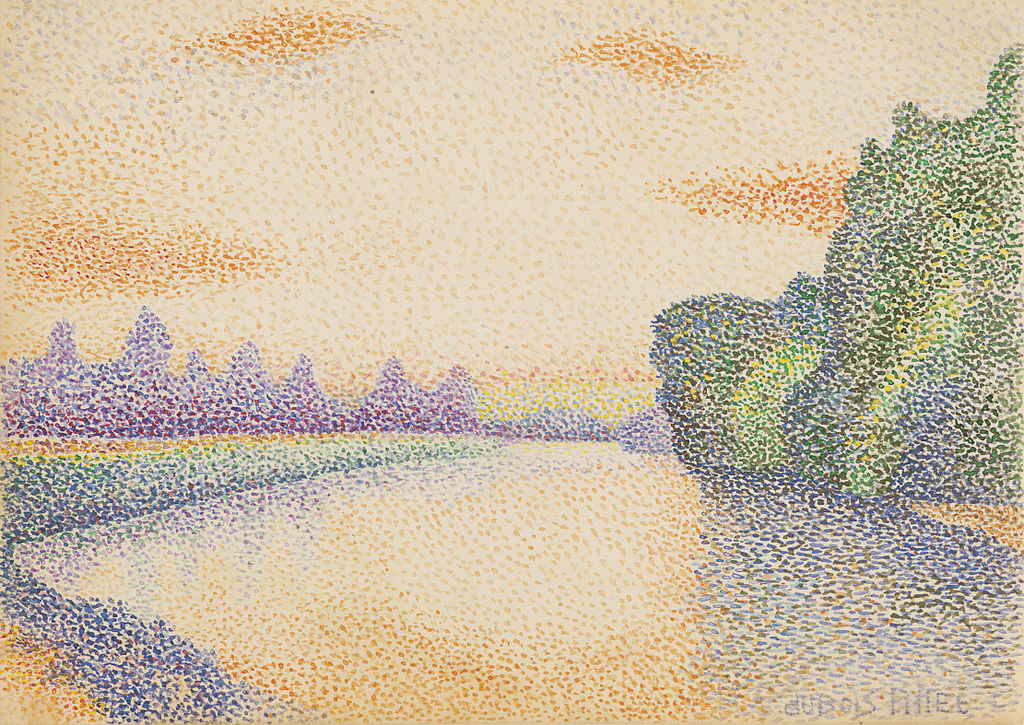
Fig. 11. Dubois-Pillet, A. The Banks of the Marne at Dawn (c. 1888) 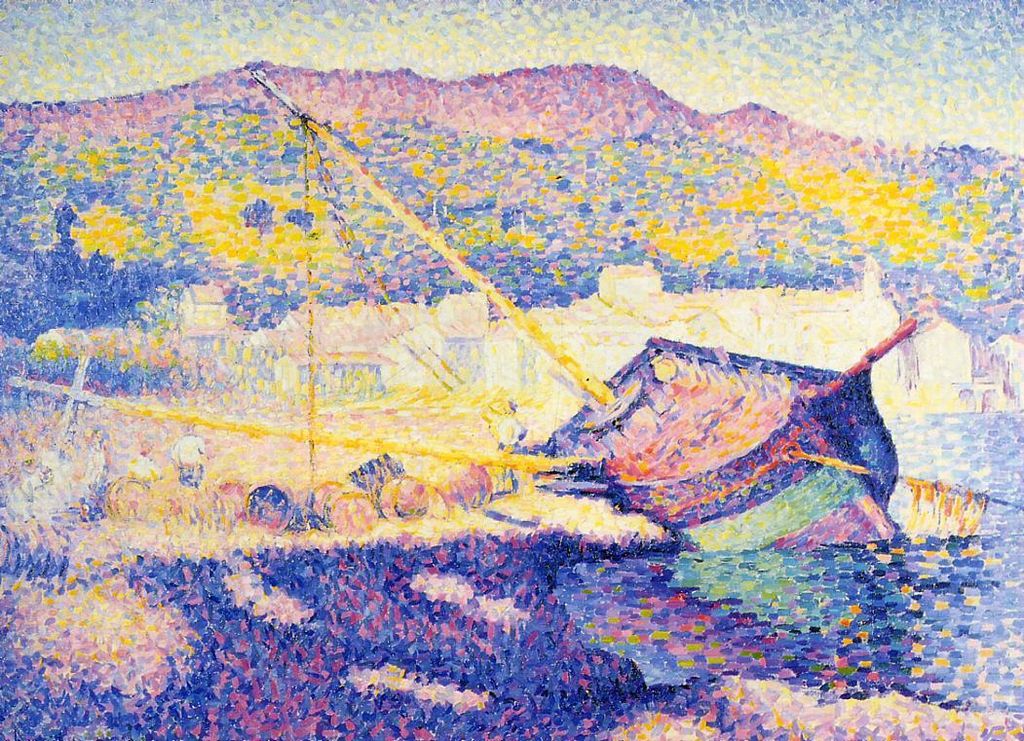
Fig. 12. Cross, H. La Barque Dijon (1899)
Again, as with the Neo-Impressionists, I can imagine the work that has gone into these pieces and the level of skill they must require. Whilst undoubtedly stunning, I do not think the method is one I would be drawn towards recreating, however, I do feel the strive towards total vibrancy is something which really does appeal to me. These works remind me of my other research into Agnes Martin’s works, as suggested by my tutor, and how her works are barely even visible, yet still seem to cause your eyes to hurt!
Optical Art
Artists soon moved on to losing the inclusion of subject matter such as landscapes or figures completely and focussed solely on the effects which could be achieved both with colour juxtaposition and line manipulation. Artists were now focussed on creating pieces which appeared to move to the viewer, vibrating or swelling for example. Some even show hidden images which are purely the result of an illusion tricking the brain.

Fig. 13. Vasarely, V. Kezdi-Ga (1970) 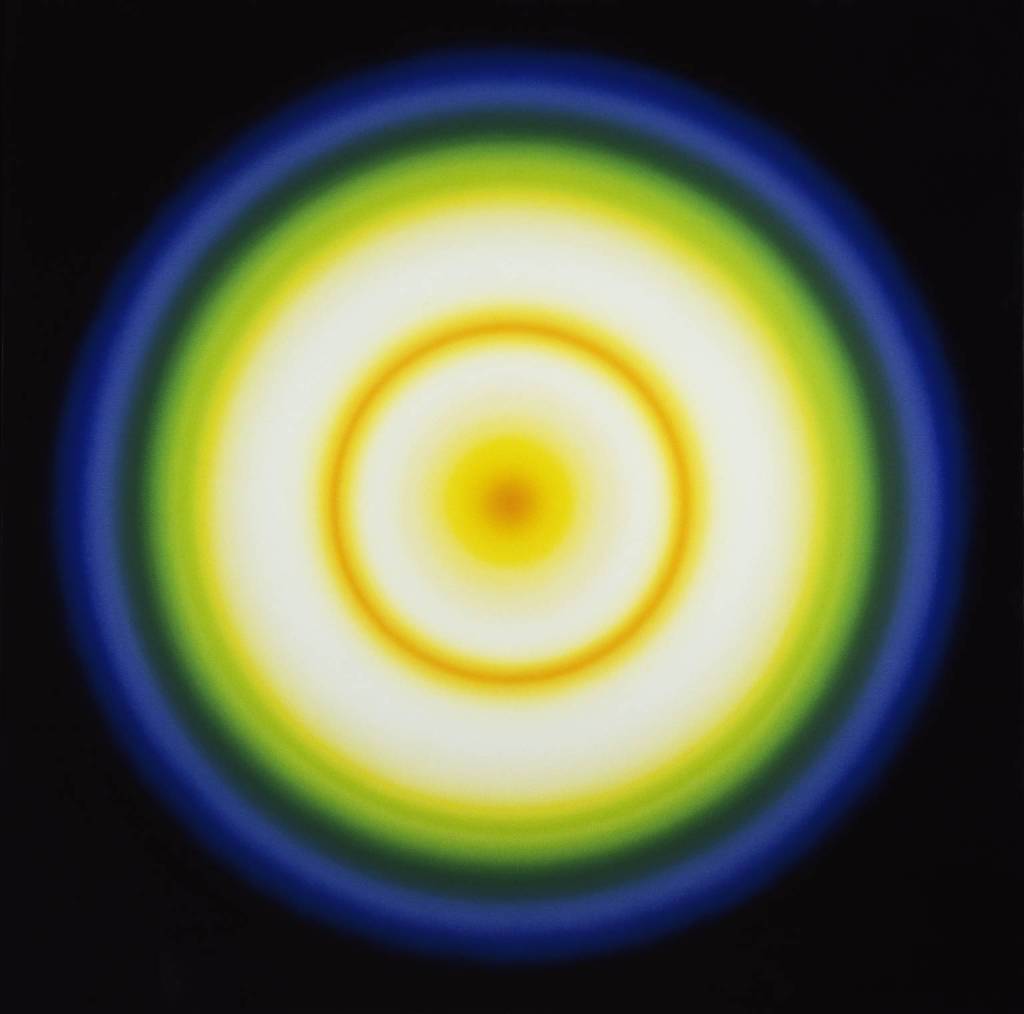
Fig. 14. Sedgley, P. Colour Cycle III (1970) 
Fig. 15. Rayo, O. Zibebiz (1994)
This type of work has always blown my mind as it is just incredible. The idea that Chevreul’s dilemma with some grey wallpaper amongst other situations had evolved so much to the level that artists were now able to manipulate colour to actually appear to move beyond the page is phenomenal! It reminds me of Darwin’s evolution of the human race theory and I think it is great testament to the skill and genius of those involved in the development. Whilst I do not feel the colour aspect appeals to me, I do, however, like the lack of subject matter and full abstraction to the piece and consider that the pieces which are just comprised of black and white lines would be very interesting for me to attempt to experiment with myself down the line.
Georges-Pierre Seurat (1859 to 1891)
Please click here for my earlier findings with regard to this artist.
Paul Victor Jules Signac (1h863 to 1935)
Signac was one half of the developers of the Pointillism movement, together with Seurat with whom he had become good friends and was inspired by. Signac was also inspired by Monet, with hints of this found within Signac’s own pieces. Signac enjoyed painting the water and preferred to work with small squares of pigment, similar to pieces found within mosaics, whereas Seurat much preferred working with tiny dots of pigment instead. Both Seurat and Signac also both fully supported the Divisionism movement.
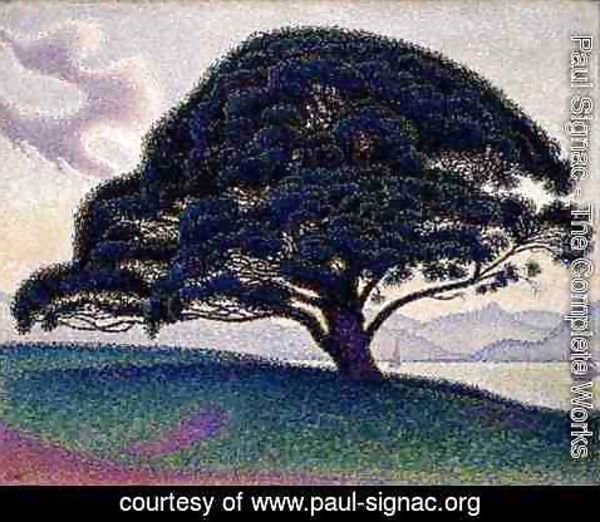
Fig. 16. Signac, P. The Bonaventure Pine (1893) 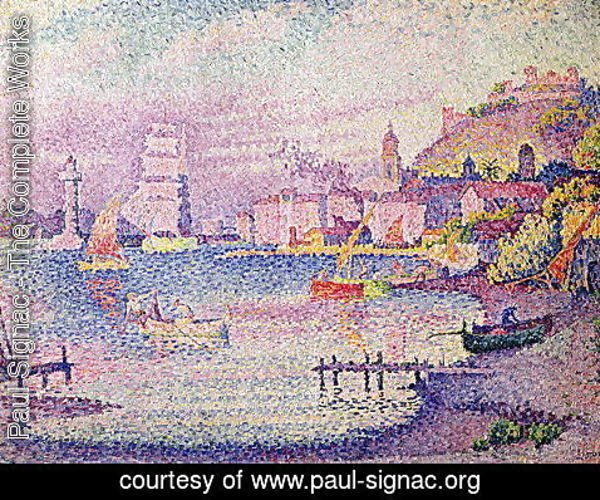
Fig. 17. Signac, P. Leaving the Port of Saint-Tropez (1902) 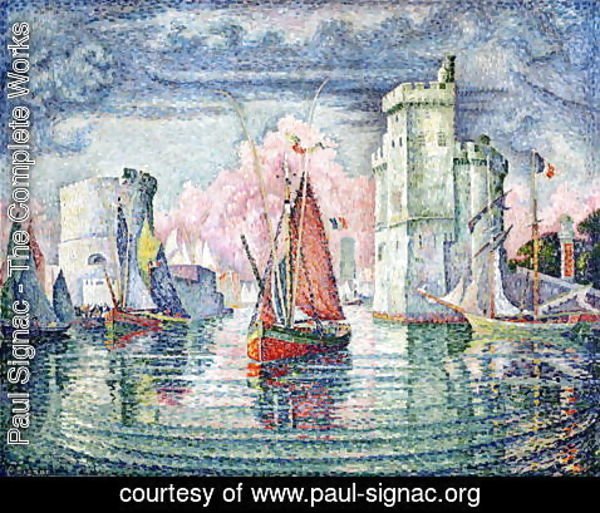
Fig. 18. Signac, P. The Port at La Rochelle (1921)
As discussed in the Pointillism section above, whilst I fully appreciate the effort this type of work must have required and how beautiful the end results are, I do not feel drawn to it insofar as recreating the effects myself. I really like the illusions created and the colours used as it rather surprises me that such variation of colour was found by these artists when one considers that there was not the array of stores and ease of access to such items as there are today.
Bridget Riley (1931 to Present)
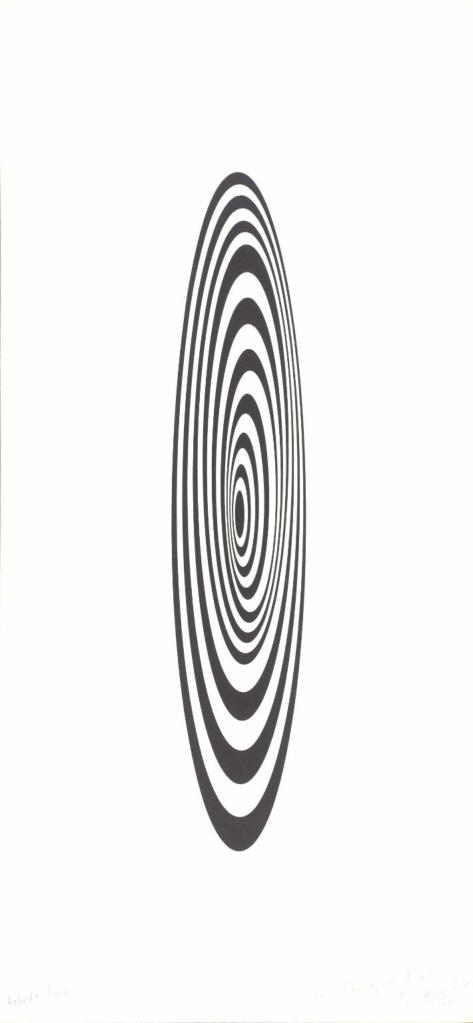
Fig. 19. Riley, B. Untitled (1964) 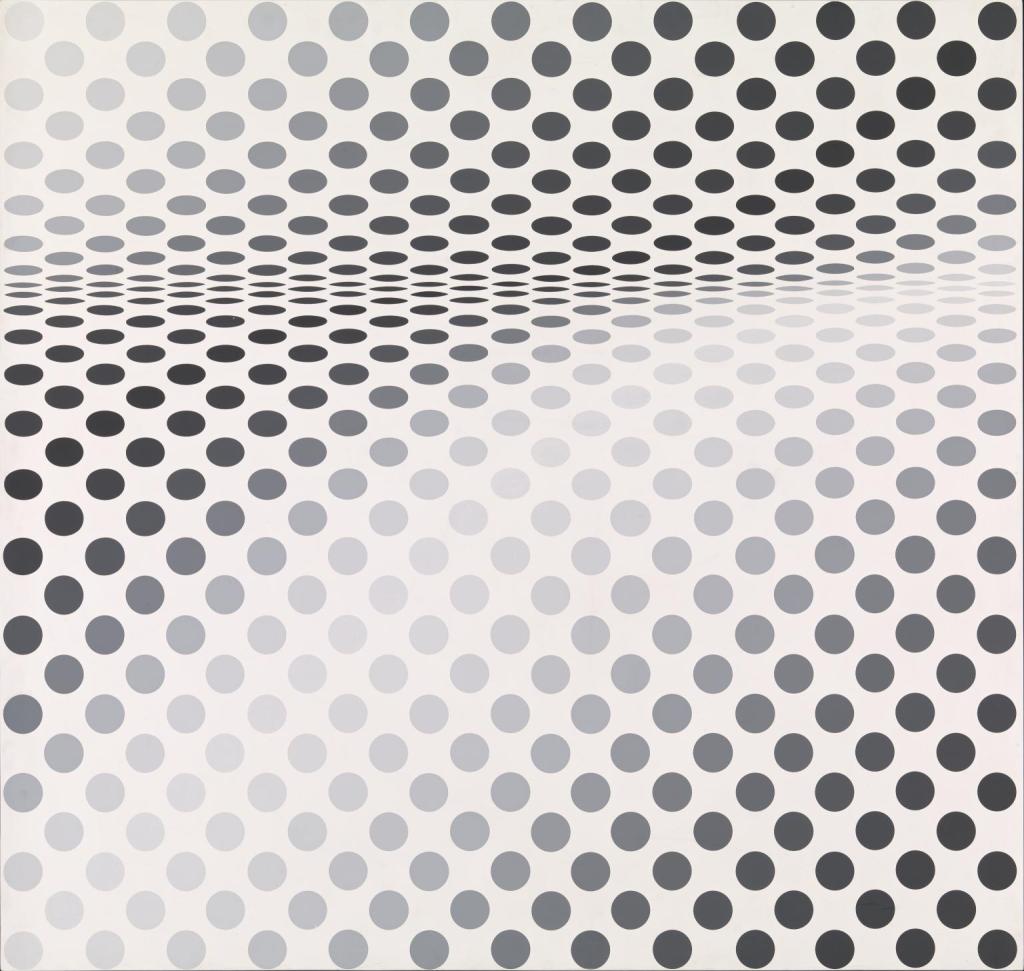
Fig. 20. Riley, B. Hesitate (1964) 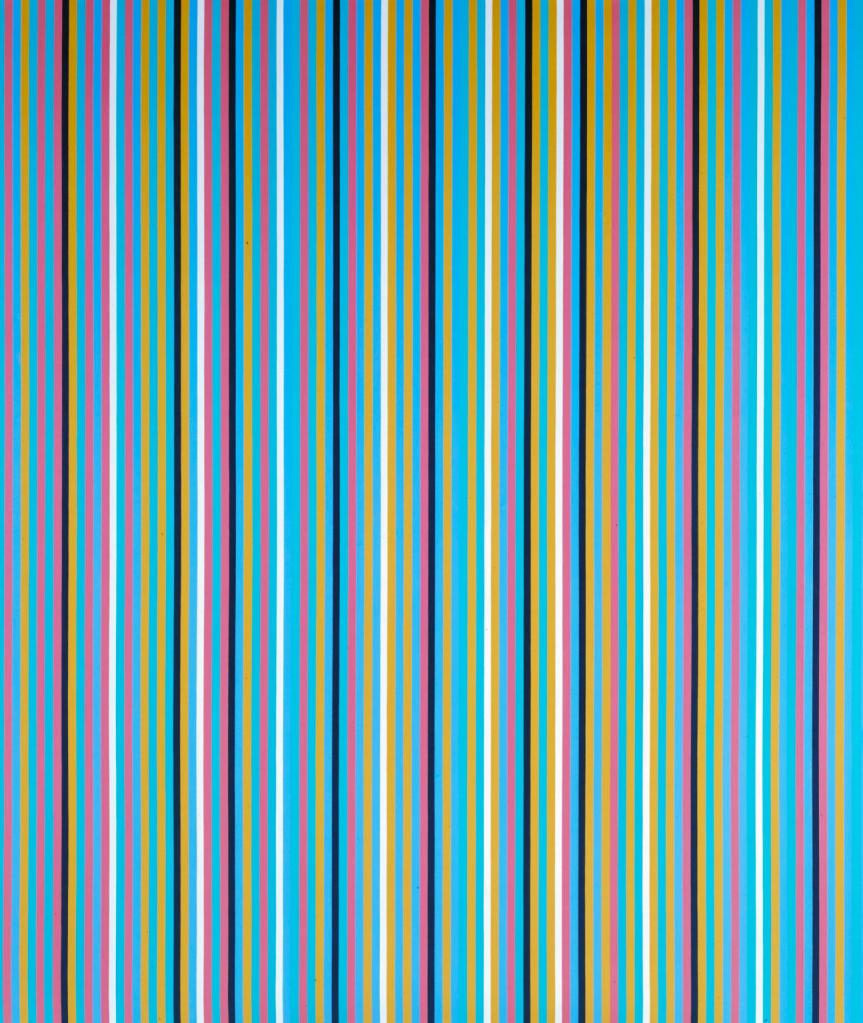
Fig. 21. Riley, B. Achæan (1981)
Whilst there is not much in the way of detail or technique to these pieces, it is phenomenal just how strong the effects are! I especially like the illusion created within Fig. 19. in which you feel as though you are being sucked into a black hole and the circles are clearly shown side-on. This is remarkable when you consider that they are created simply with a series of nothing but simple ellipses! You cannot help but forget this simple knowledge and be drawn into the illusion. Also, I really like the fact Fig. 20. simply consists of simple grey dots which merely change from one tone to another, yet the effect on the eye is that the paler dots are actually more vibrant in colour and this then causes the dots to actually hurt your eyes, as though when looking at the sun. I would be intrigued to attempt to replicate the effects shown in line and dots within my own work as I feel they are very interesting but easier to accomplish (though by no means less skilful!) than the works of the Pointillists in attempting to create an illusion.
List of Illustrations
Fig. 1. Guillaumin, A. (1875) La Place Valhubert [Oil painting] At: https://upload.wikimedia.org/wikipedia/commons/f/fb/Guillaumin_LaPlaceValhubert.jpg (Accessed on 12 May 2020)
Fig. 2. Monet, C. (1886) Study of a Figure Outdoors: Woman with a Parasol, Facing Left [Tempera on canvas] At: https://upload.wikimedia.org/wikipedia/commons/3/31/Claude_Monet_023.jpg (Accessed on 12 May 2020)
Fig. 3. Cézanne, P. (c. 1901) Pyramids of Skulls [Oil on canvas] At: https://upload.wikimedia.org/wikipedia/commons/8/83/Paul_C%C3%A9zanne%2C_Pyramid_of_Skulls%2C_c._1901.jpg (Accessed on 12 May 2020)
Fig. 4. van Rysselberghe, T. (Unknown) Four Bathers [Unknown] At: https://en.wikipedia.org/wiki/File:Theodoor_van_Rysselberghe_(1862-1926)_-_Four_Bathers.jpg (Accessed on 12 May 2020)
Fig. 5. Cross, H. (c. 1906) Clearing in Provence (Study for “The Clearing”) [Oil on paper, mounted on canvas] At: https://en.wikipedia.org/wiki/File:Henri_Edmond_Cross_-_Une_clairi%C3%A8re_en_Provence_(%C3%89tude)_-_Google_Art_Project.jpg (Accessed on 12 May 2020)
Fig. 6 . Bonnard, P. (c. 1946) Stairs with Mimosa [Oil on canvas] At: https://en.wikipedia.org/wiki/File:PierreBonnard-1946-Stairs_with_Mimosa.png (Accessed on 12 May 2020)
Fig. 7. Dubois-Pillet, A. (1889) Le Puy in the Snow [Oil on canvas] At: https://en.wikipedia.org/wiki/File:Le_Puy_in_the_Snow,_Dubois-Pillet.jpg (Accessed on 12 May 2020)
Fig. 8. Angrand, C. (1890) The Harvest [Unknown] At: https://en.wikipedia.org/wiki/File:Angrand_-_The_Harvest.jpg (Accessed on 12 May 2020)
Fig. 9. Luce, M. (1893) The Port of Saint-Tropez [Oil on canavas] At: https://commons.wikimedia.org/wiki/File:Maximilien_Luce_-_The_port_of_Saint-Tropez_(Le_Port_de_Saint-Tropez)_1893.jpg (Accessed on 12 May 2020)
Fig. 10. Dubois-Pillet, A. (c. 1888) The Banks of the Marne at Dawn [Watercolour over traces of black chalk] At: https://commons.wikimedia.org/wiki/File:Albert_Dubois-Pillet_The_Banks_on_the_Marne_at_Dawn.jpg (Accessed on 12 May 2020)
Fig. 11. Toorop, J. (1889) Bridge in London [Unknown] At: https://commons.wikimedia.org/wiki/File:1889_Toorop_Brug_in_Londen_anagoria.JPG (Accessed on 12 May 2020)
Fig. 12. Cross, H. (1899) La Barque Dijon [] At: https://commons.wikimedia.org/wiki/File:Cross-La-barque-Dijon.jpg (Accessed on 12 May 2020)
Fig. 13. Vasarely, V. (1970) Kezdi-Ga [Screenprint in colour] At: https://en.wikipedia.org/wiki/File:Victor_Vasarely_Kezdi-Ga_1970_Screenprint_in_colors_20%C3%9720in_50.8%C3%9750.8cm_Edition_of_250.jpg (Accessed on 12 May 2020)
Fig. 14. Sedgley, P. (1970) Colour Cycle III [Acrylic paint on canvas] At: https://www.tate.org.uk/art/artworks/sedgley-colour-cycle-iii-t01237 (Accessed on 12 May 2020)
Fig. 15. Rayo, O. (1994) Zibebiz [Unknown] At: https://commons.wikimedia.org/wiki/File:2019_Santa_Marta_-_Zibebiz_(1994),_de_Omar_Rayo_-_Museo_Bolivariano_de_Arte_Contemporaneo.jpg (Accessed on 12 May 2020)
Fig. 16. Signac, P. (1893) The Bonaventure Pine [Oil on canvas] At: https://www.paul-signac.org/The-Bonaventure-Pine-1893.html (Accessed on 13 May 2020)
Fig. 17. Signac, P. (1902) Leaving the Port of Saint-Tropez [Oil on canvas] At: https://www.paul-signac.org/Leaving-The-Port-Of-Saint-Tropez-1902.html (Accessed on 13 May 2020)
Fig. 18. Signac, P. (1921) The Port at La Rochelle [Oil on canvas] At: https://www.paul-signac.org/The-Port-At-La-Rochelle-1921.html (Accessed on 13 May 2020)
Fig. 19. Riley, B. (1964) Untitled [Screenprint on paper] At: https://www.tate.org.uk/art/artworks/riley-untitled-p05082 (Accessed on 12 May 2020)
Fig. 20. Riley, B. (1964) Hesitate [Emulsion on board] At: https://www.tate.org.uk/art/artworks/riley-hesitate-t04132 (Accessed on 12 May 2020)
Fig. 21. Riley, B. (1981) Achæan [Oil paint on canvas] At: https://www.tate.org.uk/art/artworks/riley-achan-t03816 (Accessed on 12 May 2020)
Bibliography
Ducksters. (Unknown) ‘Pointillism’ [Online] At: https://www.ducksters.com/history/art/pointillism.php (Accessed on 6 May 2020)
Lumen Learning. (Unknown) ‘Impressionism’ [Online] At: https://courses.lumenlearning.com/boundless-arthistory/chapter/impressionism/ (Accessed on 6 May 2020)
My Modern Met. (2017) ‘Exploring the Vision and Diverse Styles of Post-Impressionism Pioneers’ [Online] At: https://mymodernmet.com/post-impressionism/ (Accessed on 6 May 2020)
The Art Story. (Unknown) ‘Neo-Impressionism’ [Online] At: https://www.theartstory.org/amp/movement/neo-impressionism/ (Accessed on 6 May 2020)
Wikipedia. (2020) ‘Bridget Riley’ [Online] At: https://en.m.wikipedia.org/wiki/Bridget_Riley (Accessed on 6 May 2020)
Wikipedia. (2020) ‘Georges Seurat’ [Online] At: https://en.wikipedia.org/wiki/Georges_Seurat (Accessed on 6 May 2020)
Wikipedia. (2020) ‘Op Art’ [Online] At: https://en.m.wikipedia.org/wiki/Op_art (Accessed on 6 May 2020)
Wikipedia. (2020) ‘Paul Signac’ [Online] At: https://en.m.wikipedia.org/wiki/Paul_Signac (Accessed on 6 May 2020)
 Rachael's OCA Blog: Painting One: The Practice of Painting


_-_Four_Bathers.jpg)
_-_Google_Art_Project.jpg)


_1893.jpg)


,_de_Omar_Rayo_-_Museo_Bolivariano_de_Arte_Contemporaneo.jpg)