

For this Research Point, I decided to begin by choosing one piece by each of the recommended artists in my course textbook, but then to also include a contemporary example as well, and then to consider the similarities and differences within them, but to first consider the term itself.
Artists use of Chiaroscuro

Fig. 1. Tintoretto, J The Last Supper (c. 1592 to 1594) 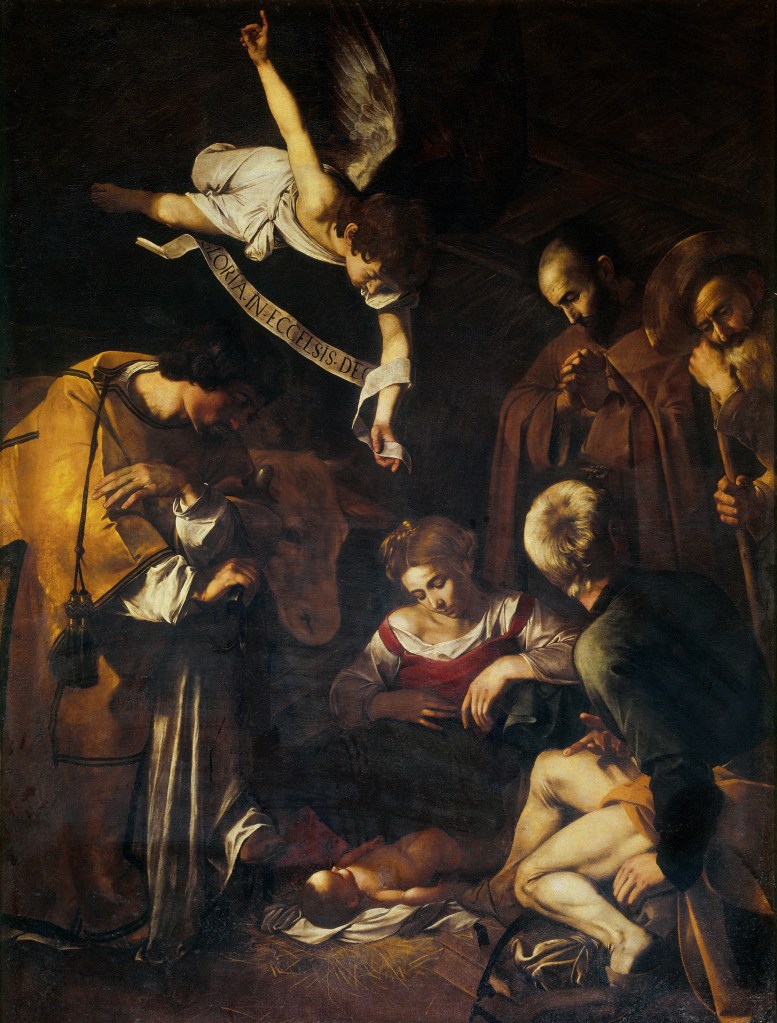
Fig. 2. Caravaggio Nativity with St. Francis and St. Lawrence (1609) 
Fig. 3. Rubens, P P Old Woman and Boy with Candles (c.1616 to 1617) 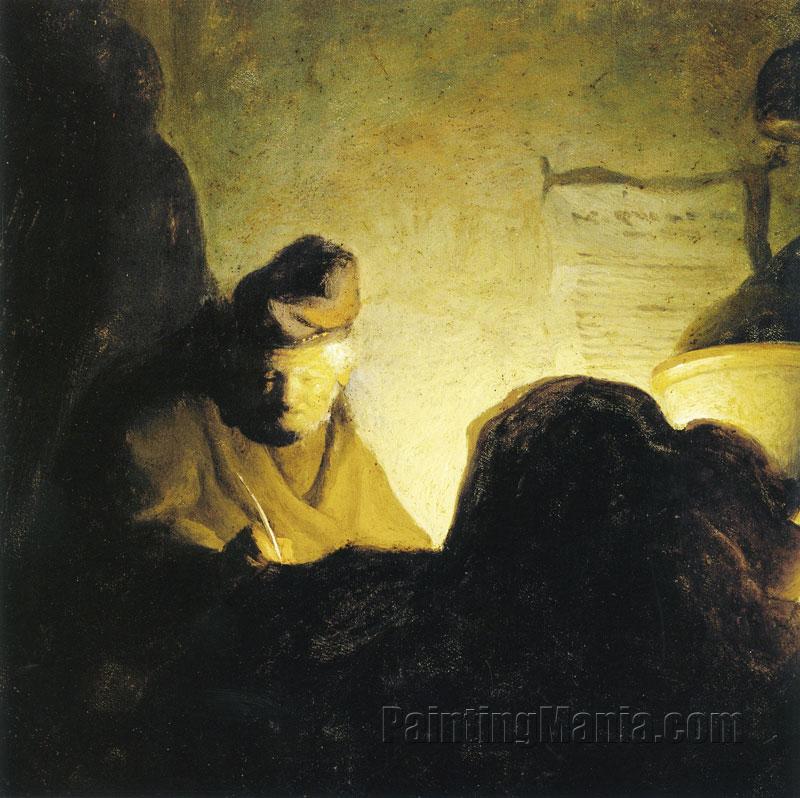
Fig. 4. Rembrandt A Writing Philosopher by Candlelight (Bredius 425) (c.1629) 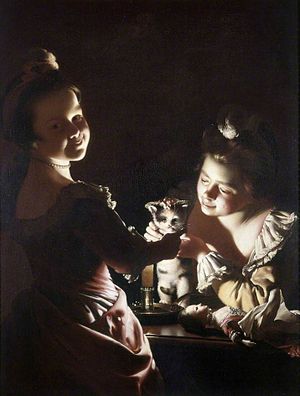
Fig. 5. Wright of Derby, J Two Girls Dressing a Kitten by Candlelight (1768) 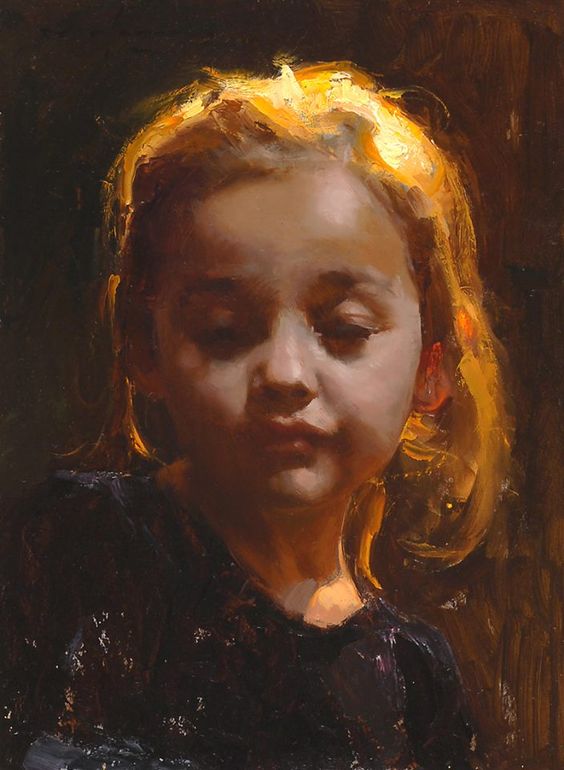
Fig. 6. Unknown Oil Painting Portraits 4 (Unknown)
From looking at these pieces, it is immediately apparent just how strong an effect chiaroscuro has in artwork and how I am very drawn to this method due to its dark, moody and atmospheric feel.
All of these pieces have been created in oil paint, which was the main media used, but I think the fact the older pieces are almost photographic in quality, the lack of definition and blurring of lines in Fig. 4. and Fig. 6. make these pieces appear somewhat more cosy and warm than the other pieces, even though they are all lit by candlelight which is, by definition, very warm and inviting. Whilst I think this is the desired effect for Fig. 6., I am drawn to believe the result in Fig. 4. is to actually intensify the illusion that the subject is further away from the ‘camera’ and so is less refined. Perhaps the girl in Fig. 6. is also being lit by candlelight or firelight, however, she has been lit from above, similar to that of the main focal character in Fig. 1., potentially showing that, whilst the child is not a religious connotation, she is seen as extremely precious and adored just as strongly by the painter – perhaps her parent?
I can see from Fig. 1. and Fig. 2. that the technique was widely used to re-enforce the superiority of religious and ethereal beings. Those who are basically extras within the piece are represented in a duller way, more so their faces, so the eye is instantly drawn to the main focal point of the piece. Fig. 2. is a representation of the nativity scene and it is interesting to note that the men’s faces are all in shadow or facing away from the viewer, whereas the baby and mother’s faces are highlighted, but the whole of the cherub and the scroll it is holding have been illuminated.
Fig. 3., Fig. 4. and Fig. 5. all appear to have no religious connotations, but merely a more ‘family’ type of scene; Fig. 3. and Fig. 4. appear to show older people, with the former including a child looking up to the elderly woman as though in admiration, so perhaps these pieces are, in fact, showing the elderly people in a more admirable way, playing on their wisdom which can only be garnered through age, but could also potentially be showing their closeness of their end with the encroaching darkness. Fig. 5. appears to show the youth and delicate nature found within the young girls and the kitten, but also their naivety to the encroaching darkness as well.
Overall, I think this is a beautiful technique and one which I can see myself embracing very regularly as it feels very much along the direction I find myself headed during my journey. Whilst I am not a religious person, I do have a strong admiration and love for a lot of people who are close to me and so I think this would be a nice technique to use to reinforce this message going forward.
List of Illustrations
Fig. 1. Tintoretto, J (c. 1592 to 1594) ‘The Last Supper’ [Oil on Canvas] At:https://commons.wikimedia.org/wiki/File:Jacopo_Tintoretto_-_The_Last_Supper_-_WGA22649.jpg (Accessed on 23 January 2020)
Fig. 2. Caravaggio (1609) ‘Nativity with St. Francis and St. Lawrence’ [Oil on Canvas] At: https://commons.wikimedia.org/wiki/File:Caravaggio-Nativity(1600).jpg (Accessed on 23 January 2020)
Fig. 3. Rubens, P P (c.1616 to 1617) ‘Old Woman and Boy with Candles’ [Oil on Panel] At: https://commons.wikimedia.org/wiki/File:Peter_Paul_Rubens_-_Old_Woman_and_Boy_with_Candles.jpg (Accessed on 23 January 2020)
Fig. 4. Rembrandt (c.1629) ‘A Writing Philosopher by Candlelight (Bredius 425)’ [Oil on Copper] At: https://en.wikipedia.org/wiki/File:Rembrandt_-_Bredius_425_-_Man_Writing_by_Candlelight_-_c.1629_Bader_Collection.jpg (Accessed on 23 January 2020)
Fig. 5. Wright of Derby, J (1768) ‘Two Girls Dressing a Kitten by Candlelight’ [Oil] At: https://commons.wikimedia.org/wiki/File:Joseph_Wright_of_Derby._Two_Girls_Dressing_a_Kitten_by_Candlelight._c._1768-70.jpg (Accessed on 23 January 2020)
Fig. 6. Unknown (Unknown) ‘Oil Painting Portraits 4’ [Oil Painting] At: https://paintingvalley.com/oil-painting-portraits#oil-painting-portraits-4.jpg (Accessed on 23 January 2020)
 Rachael's OCA Blog: Painting One: The Practice of Painting

.jpg)


