

For this Research Point, I was asked to consider the works of some abstract expressionists and to consider the meaning of the term ‘Tachism’. I decided to begin by considering the artists suggested in the course textbook. As usual, I tried to find several pieces from each artist which were rather different from each other to provide a wider understanding of the artists’ styles.
Hans Hartung
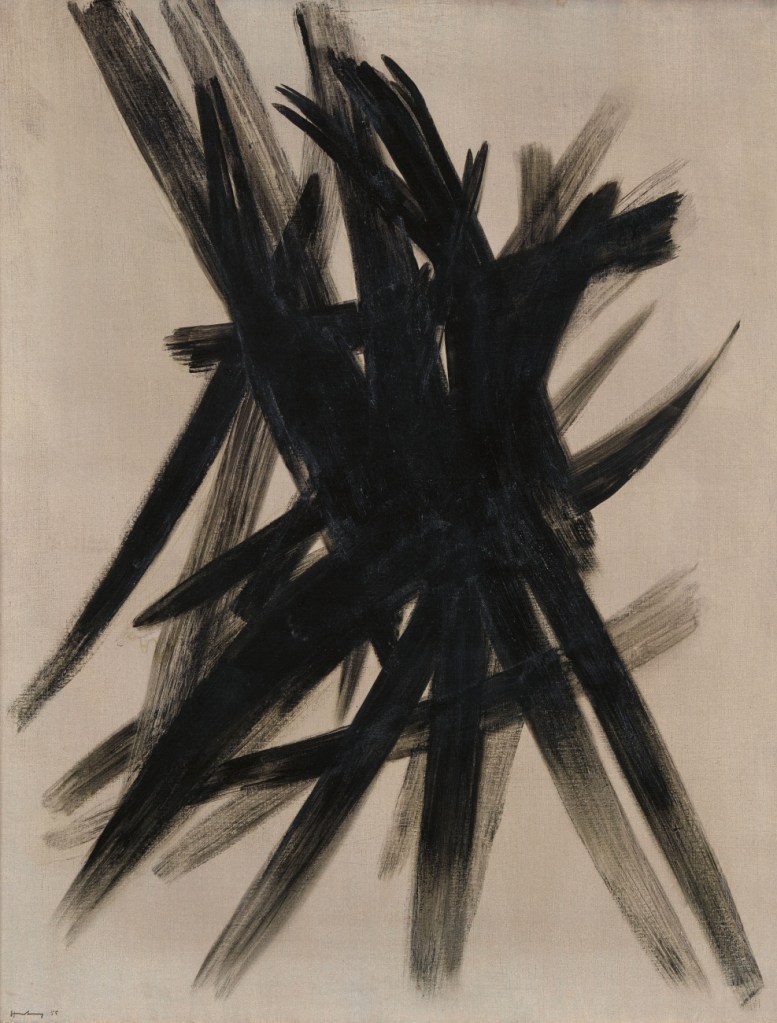
Fig. 1.Hartung ,H . T 1955-23a (1955) 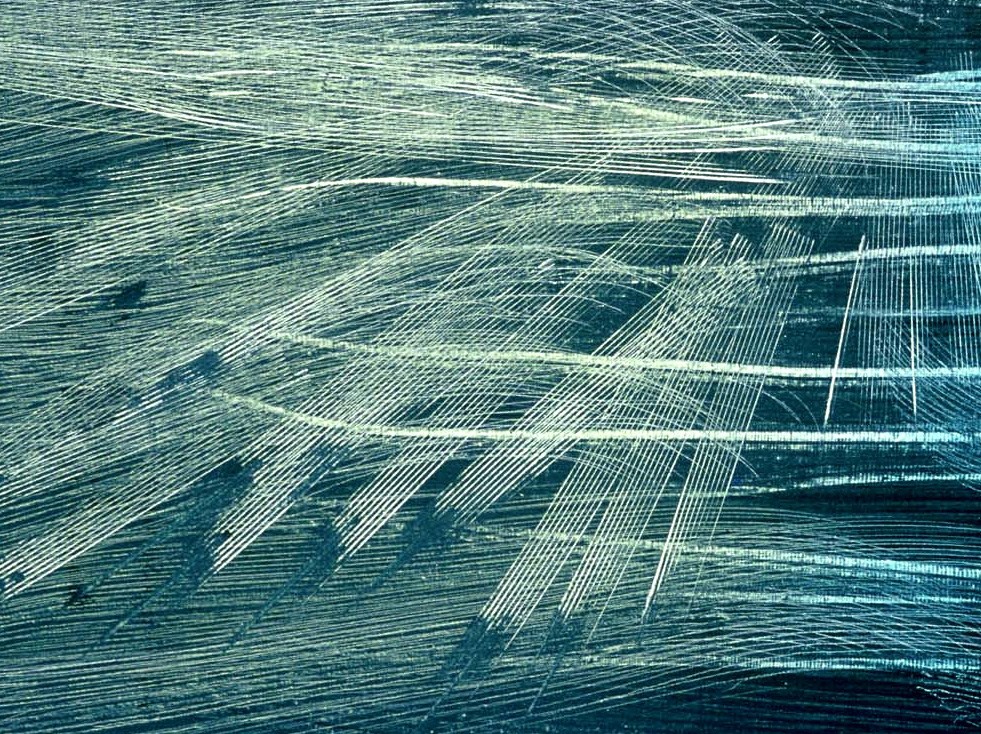
Fig. 2. Hartung, H. Rayonnement (1962) 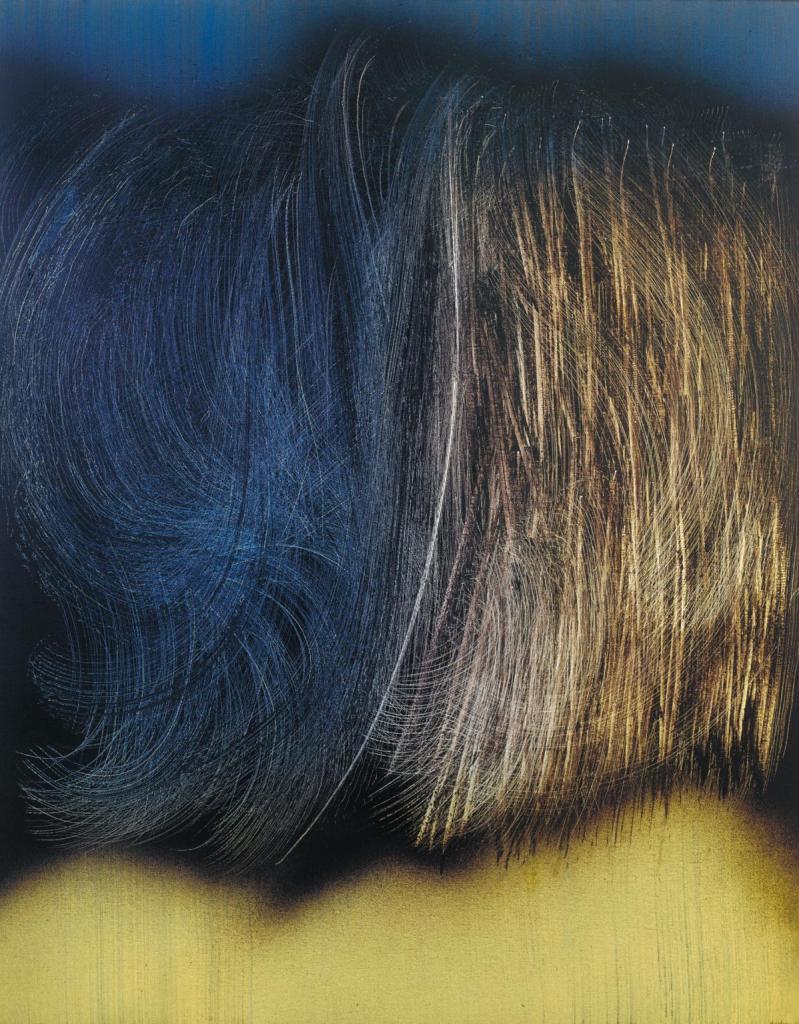
Fig. 3. Hartung, H. T1963-R6 (1963)
Looking at these pieces, I am instantly drawn to the scratching effect within Fig. 2. and Fig. 3. Whilst that in Fig. 2. feels much sharper and edgier, the markings in Fig. 3. feel much softer and gentler. They remind me almost of cotton wool or, perhaps, steel wool. The application of the paint in Fig. 1. reminds me of the experiments I was asked to carry out in the very beginning of my educational journey and it is only now that I can fully appreciate the reasoning for this type of emotional response within my own work. These works, whilst minimal, are actually rather emotionally charged and powerful in their contrasts and visual appeal.
Franz Kline
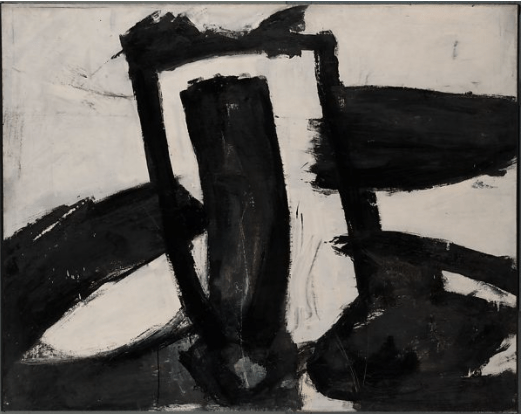
Fig. 4. Kline, F. (1952) Untitled 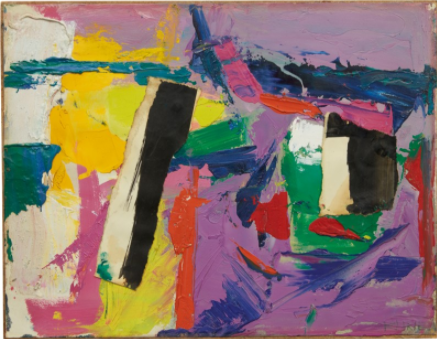
Fig. 5. Kline, F. Untitled (1957) 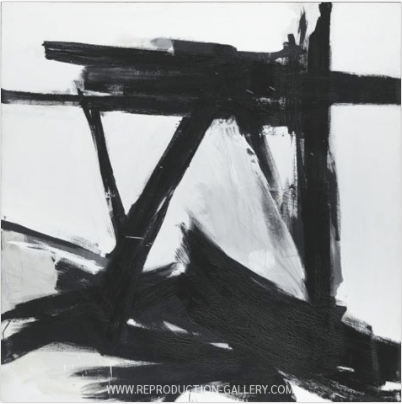
Fig. 6. Kline, F. Ballantine (1958-60)
Again, Fig. 4. and Fig. 6. remind me of the expressive mark making exercises I carried out and seem to really resonate with the ‘anger’ emotion – simply just more emotionally active, as opposed to subdued and calm. Fig. 5. feels very chaotic and unstable with the colours adding yet another level of emotional turmoil. I think you need to have carried out the expressive exercises yourself to then understand the black and white pieces others create and then finally how the addition of colour takes this to the next level. If the colours were all soft and smooth, the dynamic of the piece would be very different. Again, if the lines were gentler, this would also have a massive impact into the overall impression given by the pieces.
Jackson Pollock
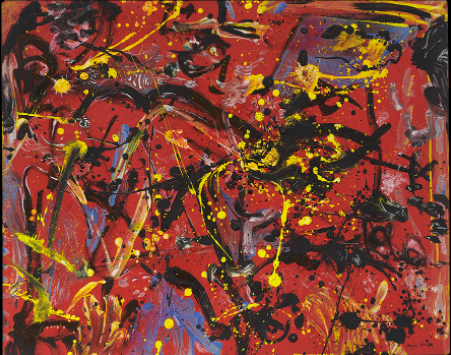
Fig. 7. Pollock, J. Red Composition (1946) 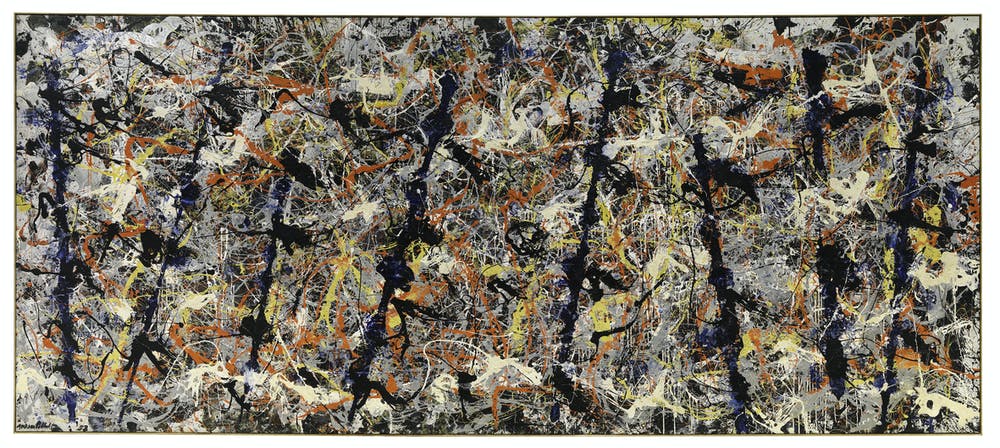
Fig. 8. Pollock, J. Blue Poles (1952) 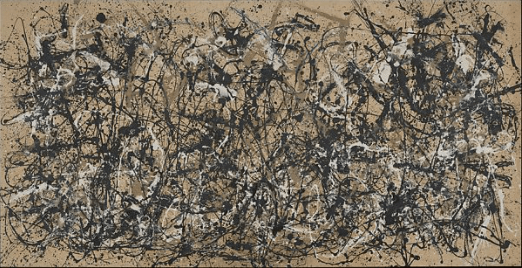
Fig. 9. Pollock, J. Autumn Rhythm (Number 30) (1950)
Similarly to the earlier works referenced, I think Pollock is very expressive himself, but simply applies this in a slightly different manner. By allowing the paint to drip onto the support, he is almost relinquishing his control over the medium, advising it of what he would like to portray, but allowing it to take on a consciousness of its own. I like how Pollock uses a colour on the base of his support and then works in different colours and layers, each telling a different story. Personally, something I take from Fig. 8. especially is how Pollock has created a sense of finer details to the foliage of some trees within the piece. I think this may be a good technique for me to consider when trying to create the appearance of detail with mere suggestions.
Willem de Kooning
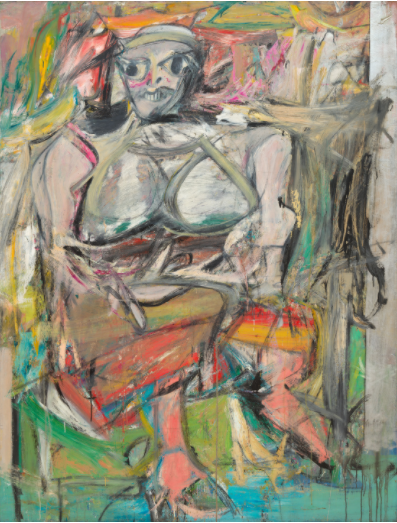
Fig. 10. de Kooning, W. Woman I (1950-52) 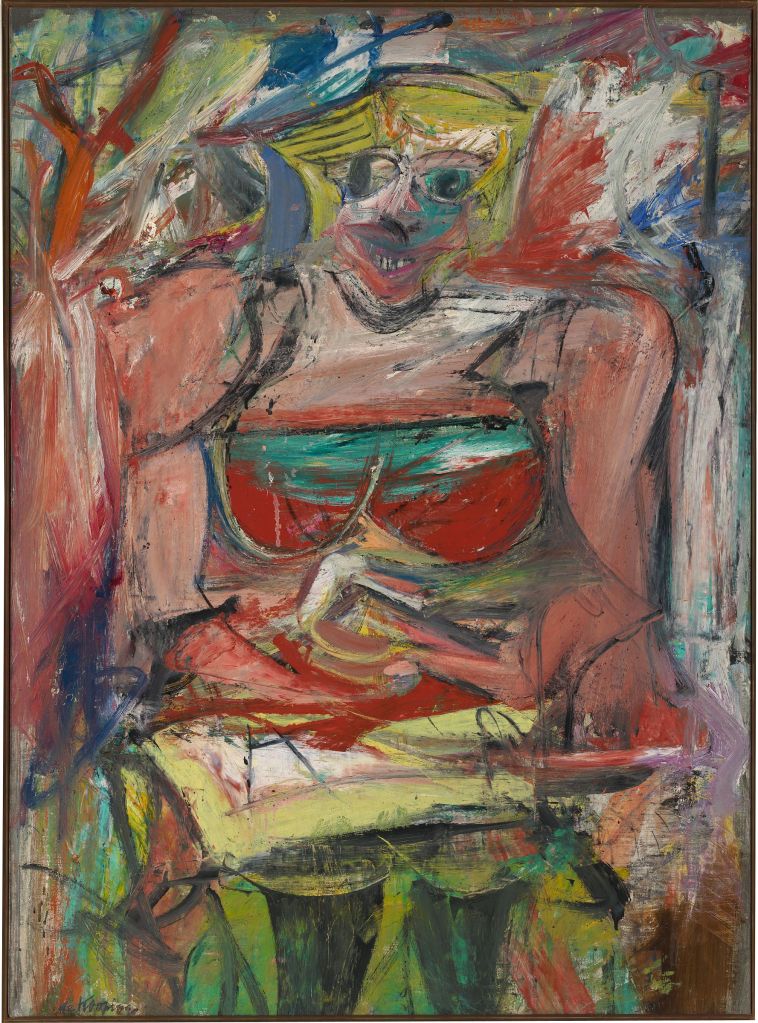
Fig. 11. de Kooning, W. Woman V (1952-3) 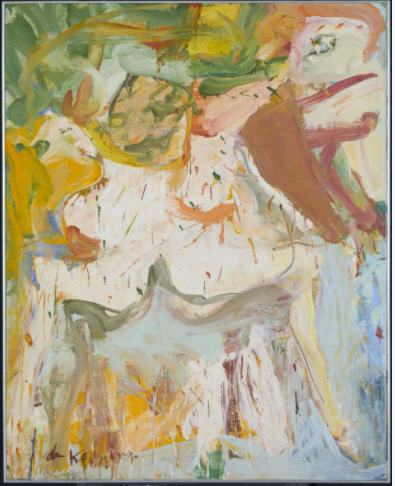
Fig. 12. de Kooning, W. The Visit (1966-7)
This artist’s work is inspiring to me in ways the others are not in the sense that he has used the human form to create rather abstract representations of the same. In fact, I feel that if the facial features were covered, there would be rather little to distinguish the human form from simple shapes and patterns within the pieces. Perhaps this is something I should consider with my tutor’s recommendation of treating the facial features as equally as other areas of the figure, as this artists seems to have done rather interestingly.
Mark Rothko
I have previously researched this artist and the results can be found by clicking here.
List of Illustrations
Fig. 1.Hartung ,H . (1955) T 1955-23a [Oil on canvas] At: https://www.lempertz.com/en/catalogues/lot/1144-1/601-hans-hartung.html (Accessed on 4 January 2021)
Fig. 2. Hartung, H. (1962) Rayonnement [Oil on Canvas] At: http://www.museivaticani.va/content/museivaticani/en/collezioni/musei/collezione-d_arte-contemporanea/sala-34–astrazione-e-sperimentazione-tecnica/hans-hartung–rayonnement.html (Accessed on 4 January 2021)
Fig. 3. Hartung, H. (1963) T1963-R6 [Acrylic paint on canvas] At: https://www.tate.org.uk/art/artworks/hartung-t1963-r6-t00816 (Accessed on 4 January 2021)
Fig. 4. Kline, F. (1952) Untitled [Enamel on canvas] At: https://www.metmuseum.org/art/collection/search/490195 (Accessed on 4 January 2021)
Fig. 5. Kline, F. (1957) Untitled [Oil and paper collage on canvas mounted to Masonite] At: (Accessed on January 2021)
Fig. 6. Kline, F. (1958-60) Ballantine [Oil on canvas] At: https://www.reproduction-gallery.com/oil-painting/1339733868/the-ballantine-by-franz-kline/ (Accessed on 4 January 2021)
Fig. 7. Pollock, J. (1946) Red Composition [Oil on Masonite] At: https://www.christies.com/features/Expert-view-Jackson-Pollock-Red-Composition-10893-7.aspx (Accessed on 4 January 2021)
Fig. 8. Pollock, J. (1950) Autumn Rhythm (Number 30) [Unknown] At: (Accessed on 4 January 2021)
Fig. 9. Pollock, J. (1952) Blue Poles [Oil, enamel, aluminium paint, glass on canvas] At: https://theconversation.com/heres-looking-at-blue-poles-by-jackson-pollock-51655 (Accessed on 4 January 2021)
Fig. 10. de Kooning, W. (1950-2) Woman I [Oil and metallic paint on canvas] At: https://www.moma.org/collection/works/79810 (Accessed on 4 January 2021)
Fig. 11. de Kooning, W. (1952-3) Woman V [Painting, oil and charcoal on canvas] At: https://cs.nga.gov.au/detail.cfm?IRN=47761 (Accessed on 4 January 2021)
Fig. 12. de Kooning, W. (1966-7) The Visit [Unknown] At: https://www.tate.org.uk/art/artists/willem-de-kooning-1433 (Accessed on 4 January 2021)
Bibliography
Britannica. (2018) ‘Tachism’ [Online] At: https://www.britannica.com/art/Tachism (Accessed on 4 January 2021)
Tate. (Unknown) ‘Abstract Expressionism’ [Online] At: https://www.tate.org.uk/art/art-terms/a/abstract-expressionism (Accessed on 4 January 2021)
 Rachael's OCA Blog: Painting One: The Practice of Painting
One thought on “Research Point 5.1: Abstract Expressionists and Tachism”