

Preparatory Work
To begin preparing for my assignment, I went back through everything I had learned for this part and picked out both my own favourite pieces and those of other artists.
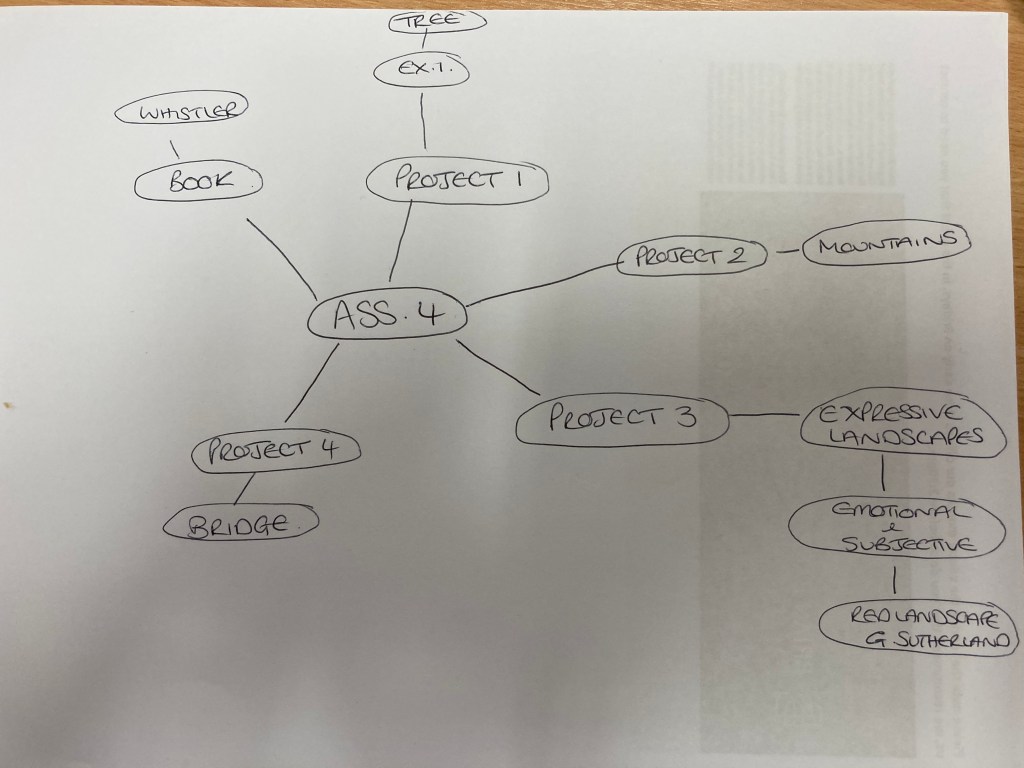
After this, I thought it would help to gather the works visually to be able to consider them side by side.
Own Work Comparison
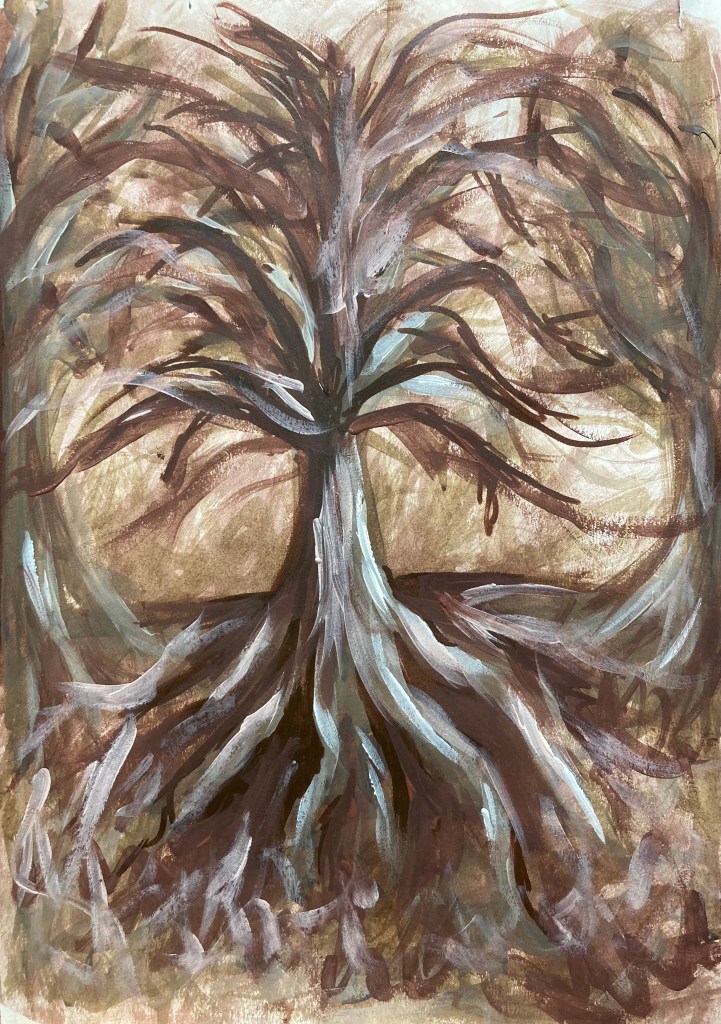
P4: P1: E2: Hard or Soft Landscape 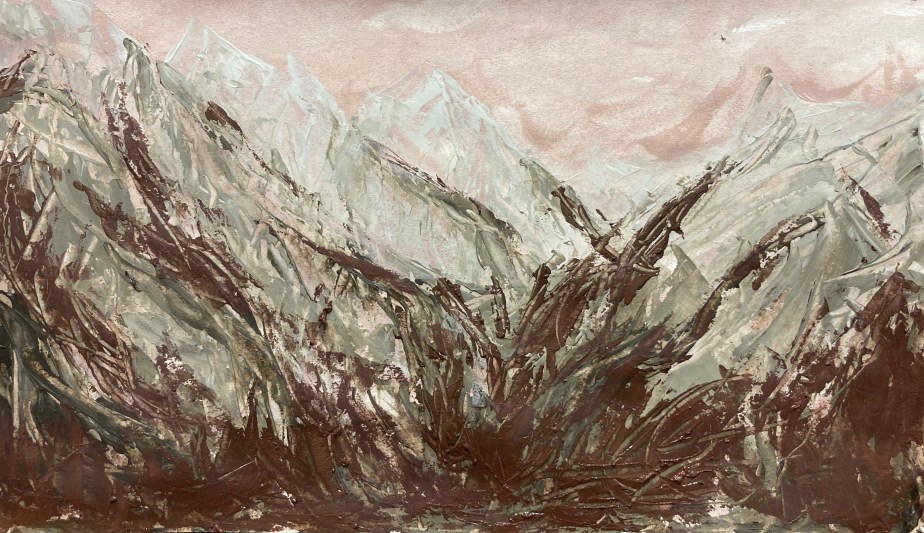
P4: P2: E2: Aerial Perspective 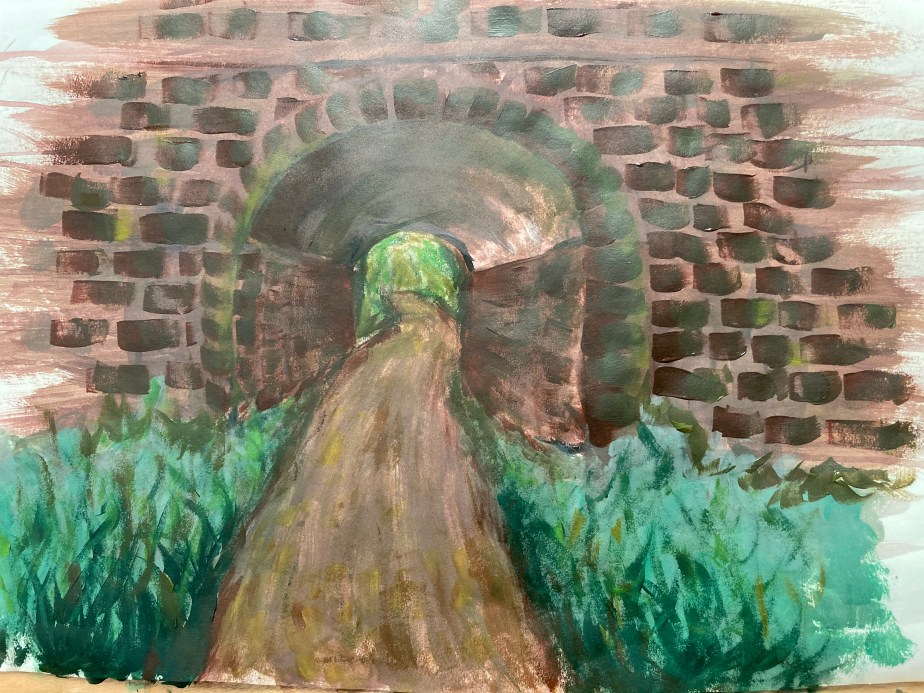
P4: P4: E1: Painting a Landscape Outside 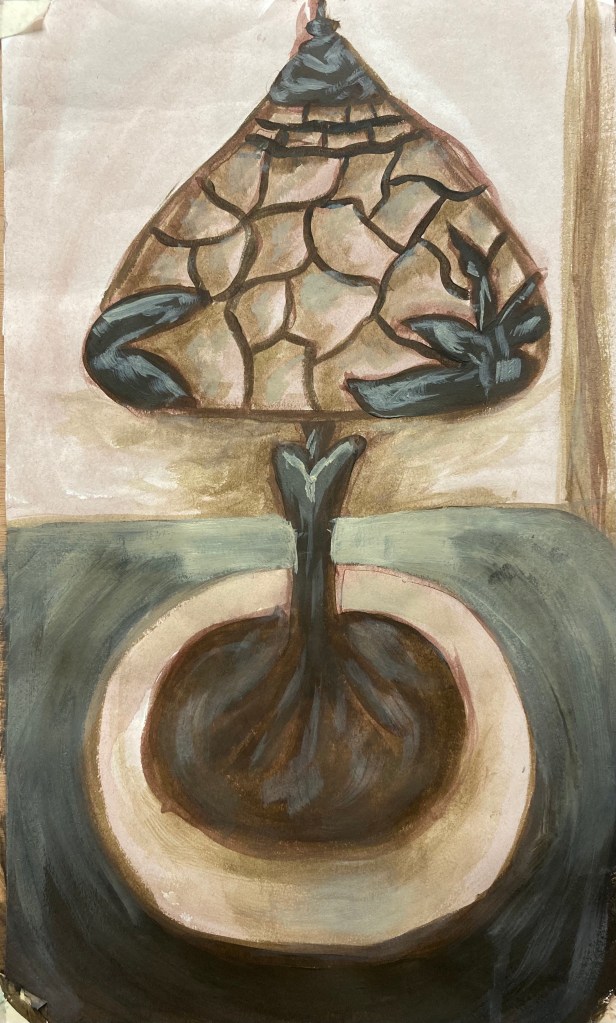
P4: P5: E1: Painting from a Working Drawing
Looking at the pieces I have created in this part of the course, I can see that my strengths definitely lie in simplicity and minimal use of colours. I feel my use of a ‘base’ colour which I then combine with other colours in the piece really does keep the piece aesthetically equal and adds to the atmosphere of the piece. I have also found that I do not need to necessarily paint wide open fields or streets to have a powerful impact, nor do I need to include masses of information where the merest suggestion will suffice.
Other Artists’ Works Comparison
After considering my own pieces, I then decided to reconsider some of the pieces previously considered in this part of the course.
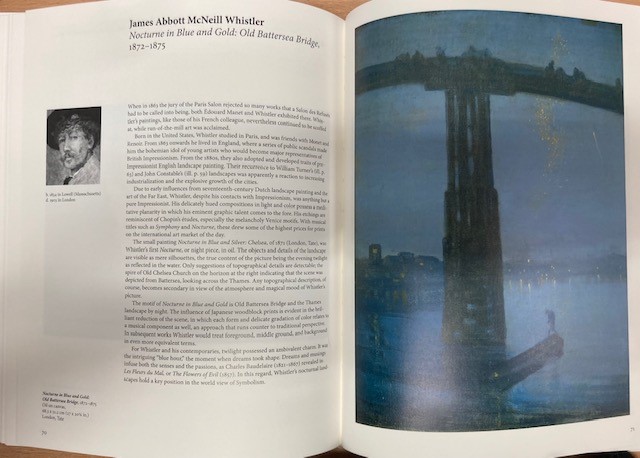
Fig. 1. Whistler, J. Nocturne in Blue and Gold: Old Battersea Bridge (1872-1875) 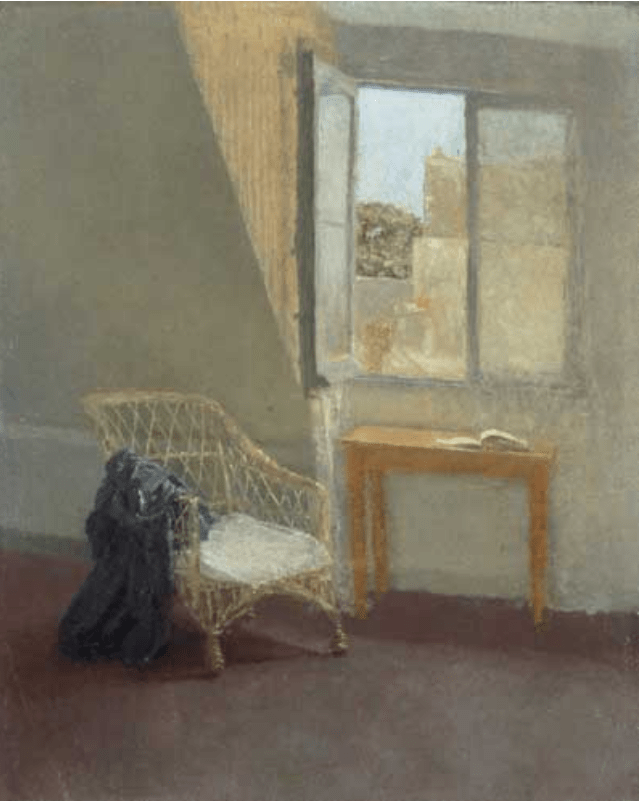
Fig. 2. John, G. A Corner of the Artist’s Room in Paris (1907-09) 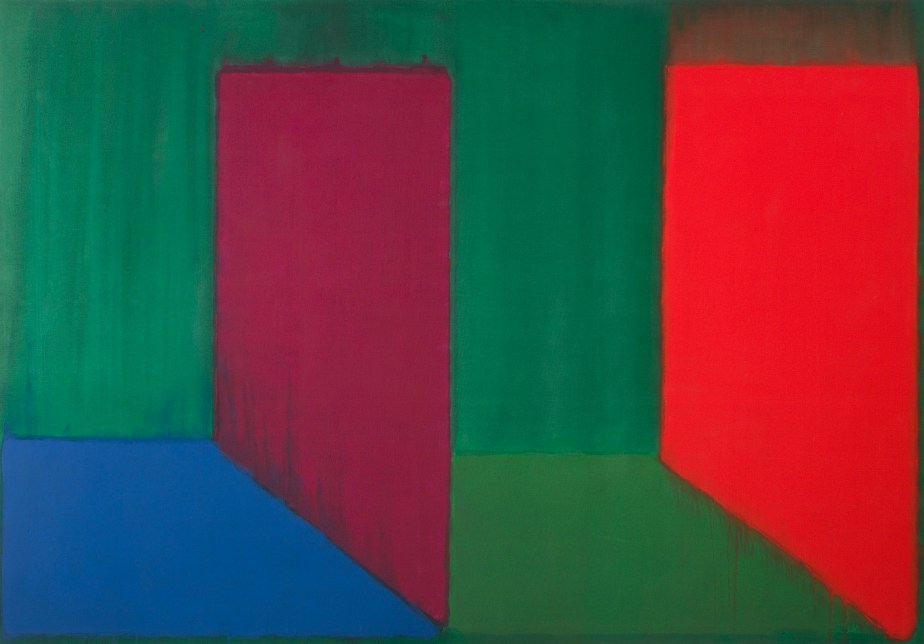
Fig. 3. Hoyland, J. 7.11.66 (1966) 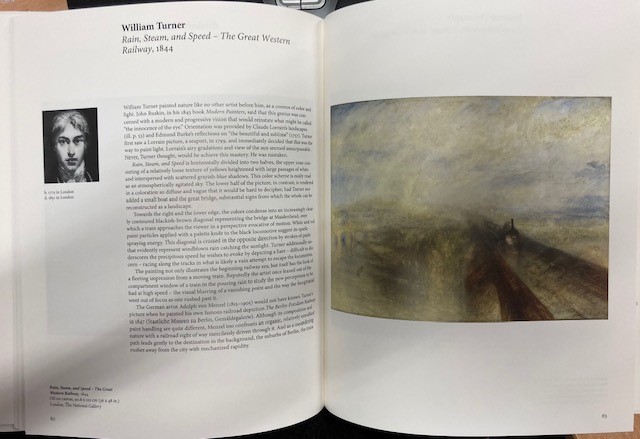
Fig. 4. Turner, W. Rain, Steam, and Speed – The Great Western Railway (1984)
From looking at my favourite pieces, I can see that the artists of these works have already realised what I am now becoming more conscious of and which I have stated above regarding the power of simplicity and suggestion.
Preparatory Studies
From considering the works of others and being drawn most to the one by Hoyland, I decided that a structure in a local country park would offer the most versatile subject matter in which there was depth and the capability for keeping the piece minimalistic. I also felt that this would offer such things as interesting perspectives, tonal variations, texture and depth.
I began by creating several quick sketches from different angles to try to find the best one. After I had done this, I then proceeded to create a quick linear, tonal and colour study of my chosen view in my sketchbook to attempt to create a familiarity with the the structure.
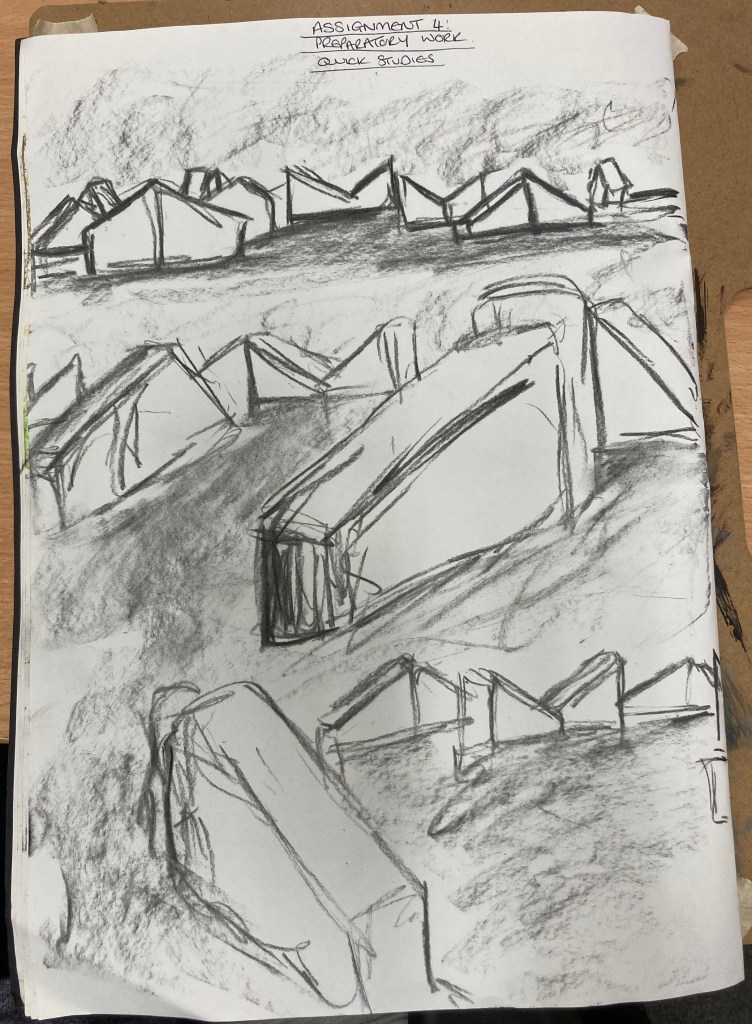
Quick Sketches 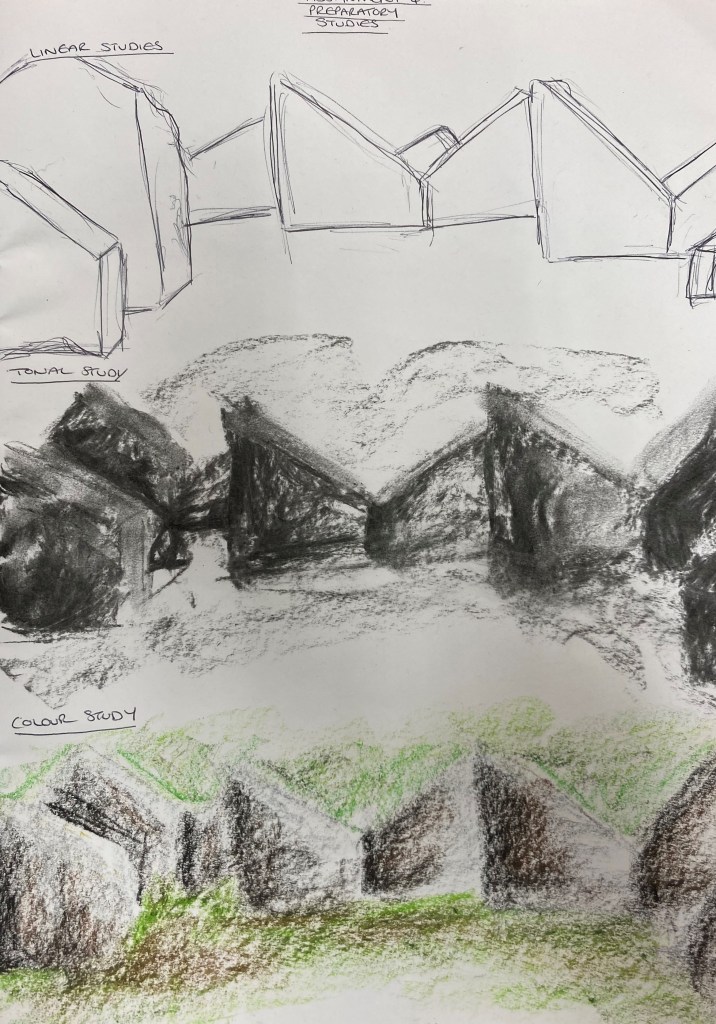
Linear, Tonal and Colour Studies
Final Piece
After creating my quick studies, I then moved on to my final piece, bearing in mind my tutor’s comments regarding not putting too much effort into the preparatory work to allow for an element of spontaneity within my final piece. As has become my custom, I slowly built this up layer by layer, from dark to light, then adding a few darker details in and then finishing with a lighter overlay where needed.
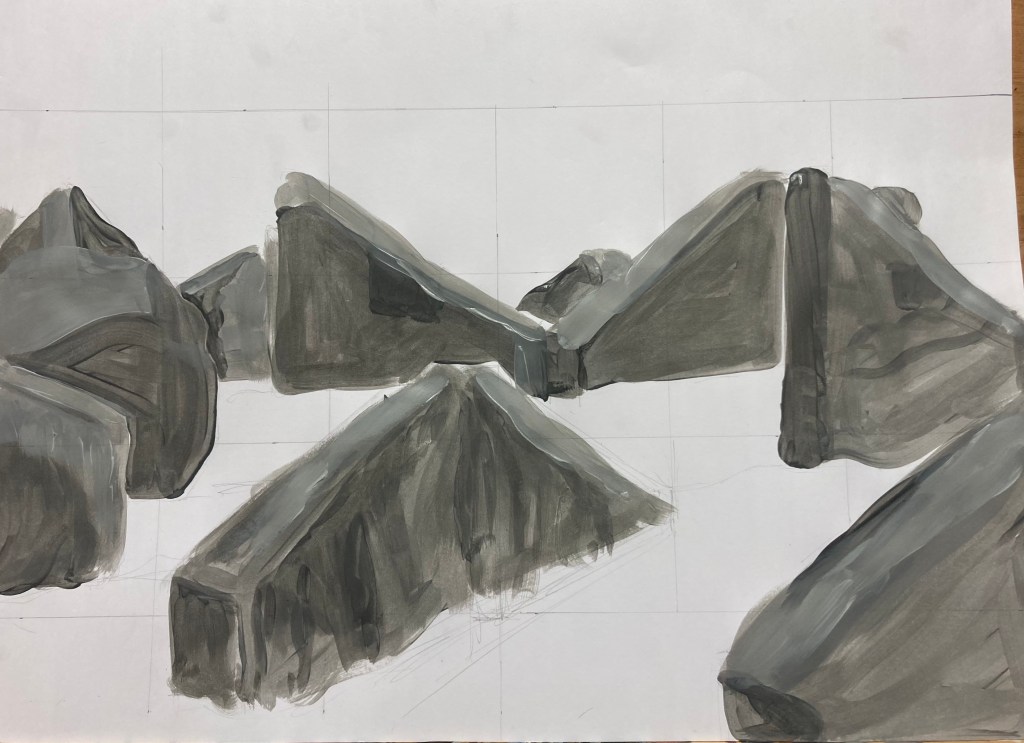
Stage 1 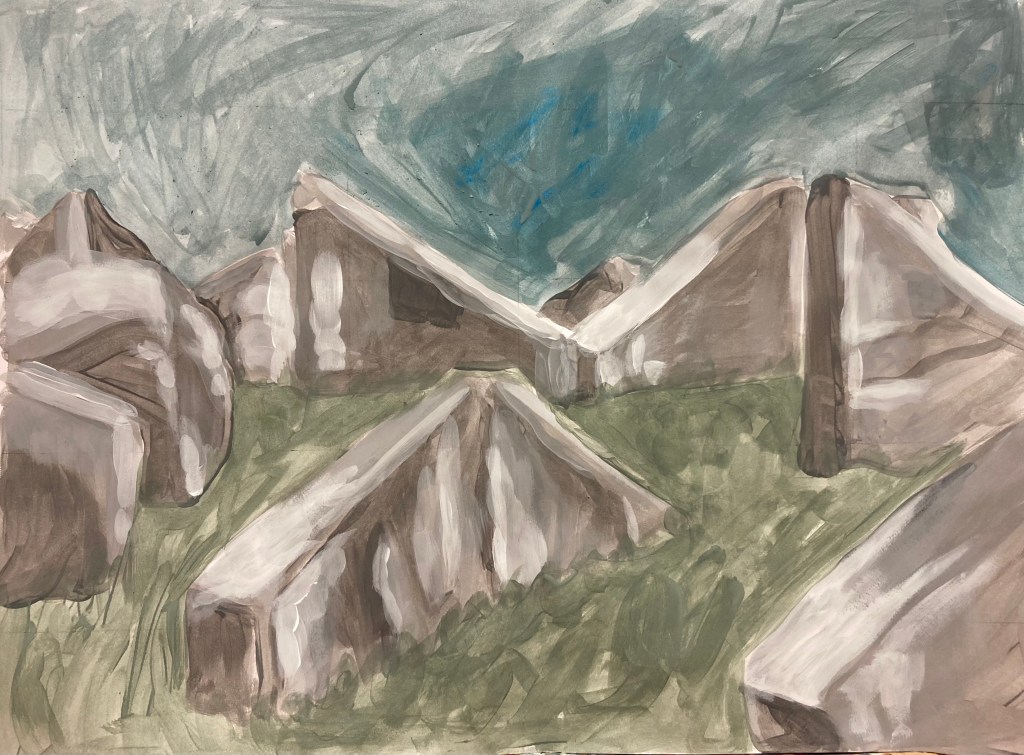
Stage 2 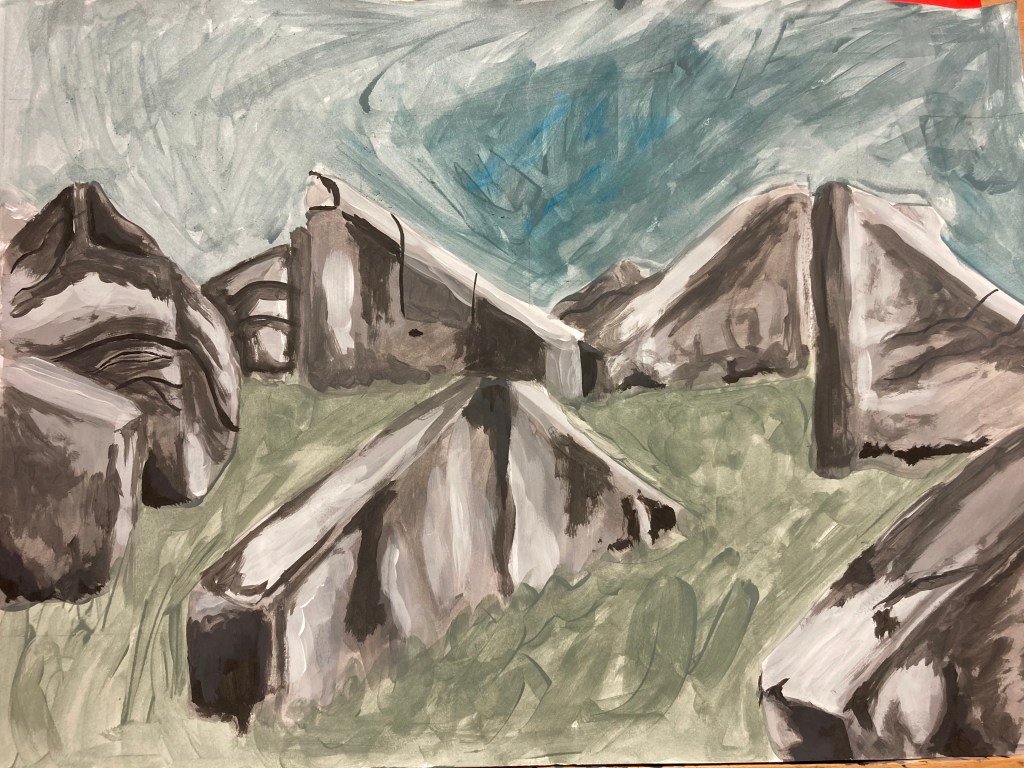
Stage 3 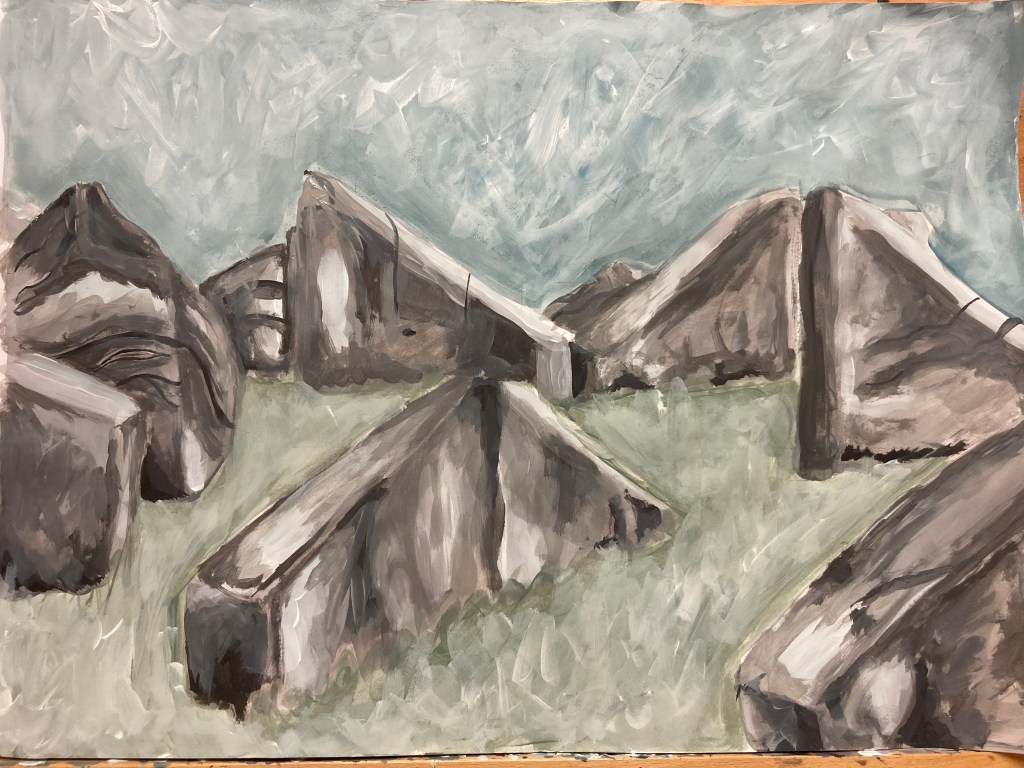
Finished piece
Overall, I am rather pleased with my finished piece and really like the effects created in the sky and grass. I think my perspective and depth overall are rather interesting and believable and the piece as a whole makes for an interesting one. However, I do feel the first stage was significantly strong and think this could have been rather successful just with a wash of colour in the background, allowing the objects to remain free of any grounding. Perhaps this is something I will consider further along my journey.
List of Illustrations
Fig. 1. Whistler, J. (1872-1875) Nocturne in Blue and Gold: Old Battersea Bridge [Oil on canvas] In: Wolf, N. (2017) Landscape Painting Slovakia: Taschen.
Fig. 2. John, G. (1907-09) ‘A Corner of the Artist’s Room in Paris’ [Oil on canvas] At: https://artuk.org/discover/artworks/a-corner-of-the-artists-room-in-paris-116863 (Accessed on 22 September 2020)
Fig. 3. Hoyland, J. (1966) ‘7.11.66’ [Acrylic on canvas] At: https://abcrit.org/2017/10/09/80-paul-behnke-writes-on-john-hoyland-at-pace-n-y/ (Accessed on October 2020)
Fig. 4. Turner, W. (1984) Rain, Steam, and Speed – The Great Western Railway [Oil on canvas] In: Wolf, N. (2017) Landscape Painting Slovakia: Taschen.
 Rachael's OCA Blog: Painting One: The Practice of Painting