

For this research point, I was asked to look at some self-portraits from such artists as Van Gogh and Rembrandt, but also some more contemporary artists’ interpretations.
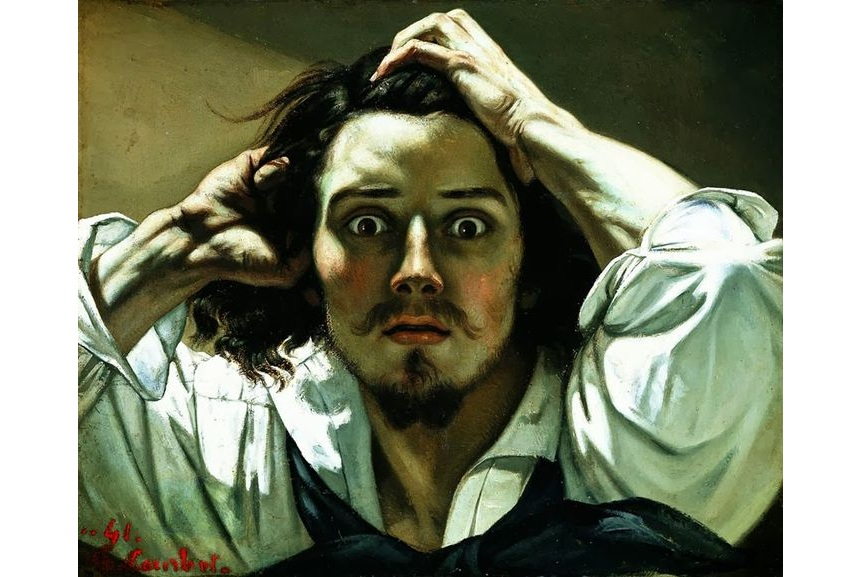
Fig. 1. Courbet, G. Desperate Man (Self Portrait) (1843-1845) 
Fig. 2. van Gogh, V. Self-Portrait (1889) 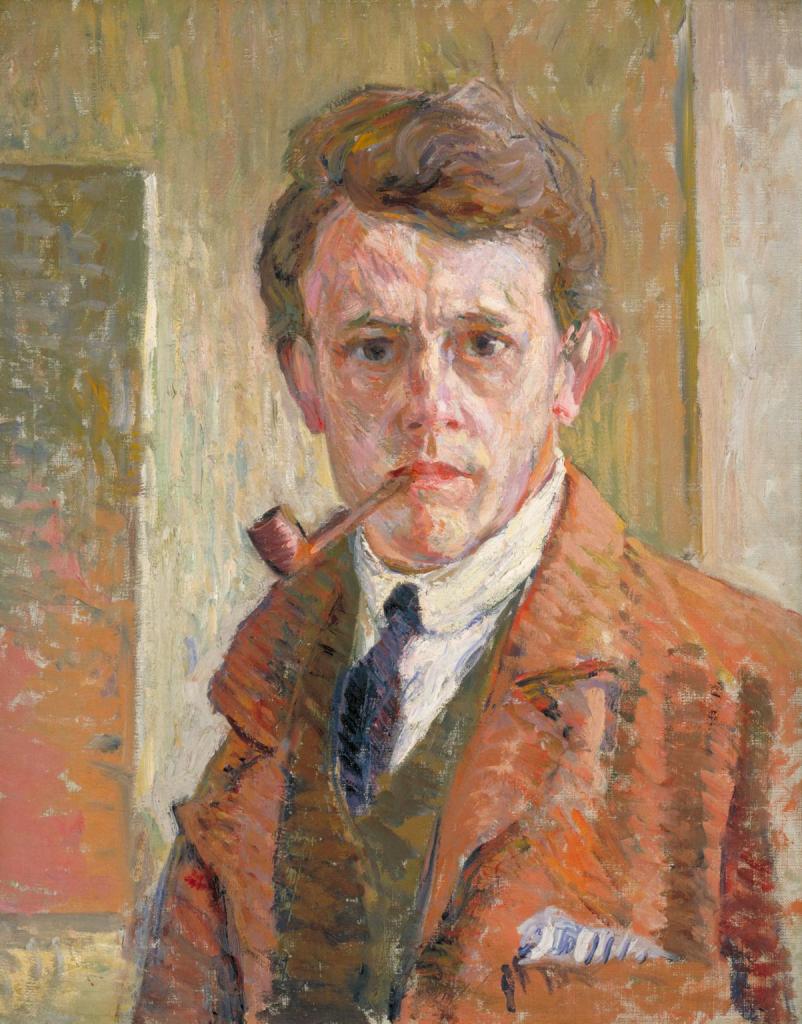
Fig. 3. Bolivar Manson, J. Self-Portrait (c.1912) 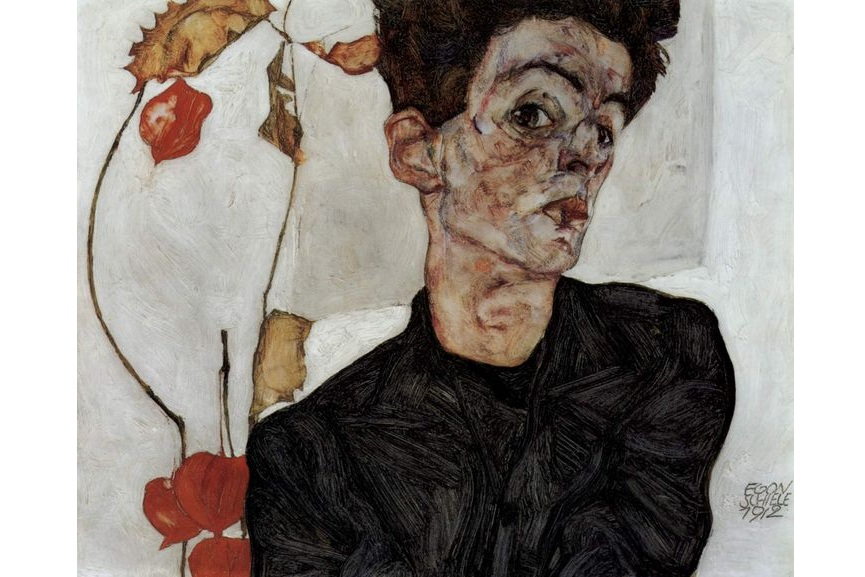
Fig. 4. Schiele, E. Self-Portrait with Physalis (1912) 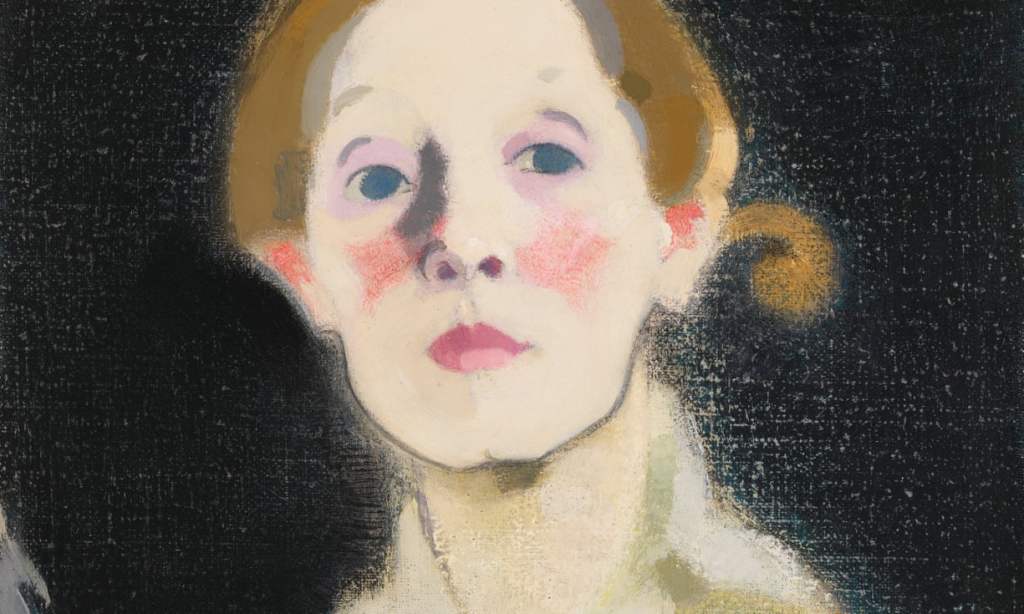
Fig. 5. Schjerfbeck, H. Self-Portrait (1915) 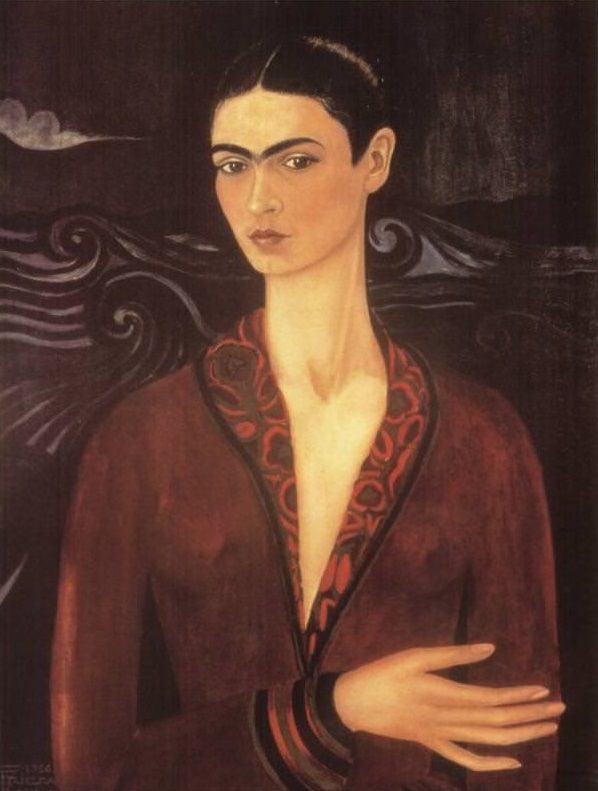
Fig. 6. Kahlo, F. Self Portrait in a Velvet Dress (1926) 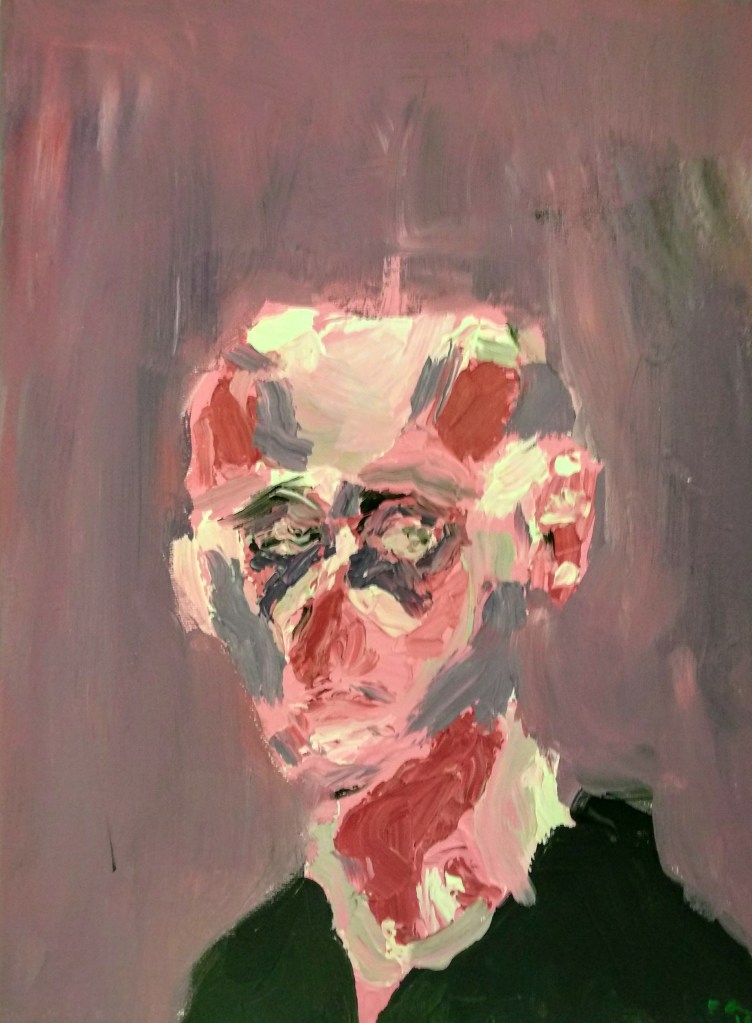
Fig. 7. Coltsmann, F. Self-Portrait 2/18 (c. 2019)
Having looked at the different ways in which the artists have portrayed themselves within their pieces, I then turned to the questions put to me within my course textbook:
- Does the artist portray himself or herself as an artist? Looking at the pieces I chose seemingly at random, I can see that I am instinctively drawn to portraits in which you are only given the head, neck and shoulders, with only one or two of the selected pieces showing a little more than that. Perhaps this was my subconscious drawing me to certain techniques? Regardless, none of the chosen pieces show any of the artists portraying themselves in such a way, but do show some very distinct facial expressions being portrayed – perhaps this is what I am also drawn to as opposed to the mundane and sombre nature of some pieces? Perhaps this is what I am drawn to more than any sub-story in the surroundings?
- What is the purpose of the self-portrait? As stated above, I think the purposes of these self-portraits are more to convey the sense of attitude felt by the artist at the time of creation to show a certain side of their personalities, for example, in Courbet’s piece, I see a stressed, overworked person who is struggling to comprehend his existence. In Coltsmann’s piece, I see a depressed and sombre person with even the technique of the paint application being rather downward and miserably applied – the colours are dull and diluted, just as the artist’s emotions. The majority of the pieces I have chosen are rather expressive in their paint application, which I am also drawn to, however, I was also rather drawn to the delicate and controlled method in which Kahlo has applied her paint, especially around the eyes, making them sparkle and pierce the viewer.
- What impression is the artist trying to convey? I think all of the artists chosen are trying to convey a similar message; this is me, I feel these strong emotions, regardless of what I may convey in my other paintings. I think the artists are definitely trying to convey a sense of themselves and to show a different angle than is usually perceived by the viewer.
- What impression is actually conveyed? I think the artists have been rather successful in their attempts to portray a sense of themselves and am actually rather intrigued to know more from outside the frames, so I think they have definitely been successful in their attempts.
Recreations of Van Gogh’s Self-Portraits
In the next part of this research point, I was asked to consider how artists may have interpreted the self-portrait of an artist. I decided to settle on van Gogh as he is such a renowned artist and has been well documented and a source of inspiration for others. I wanted to see how others attempted and interpreted van Gogh’s style, but also his personality.

Fig. 8. Russell, J. Vincent van Gogh (1886) 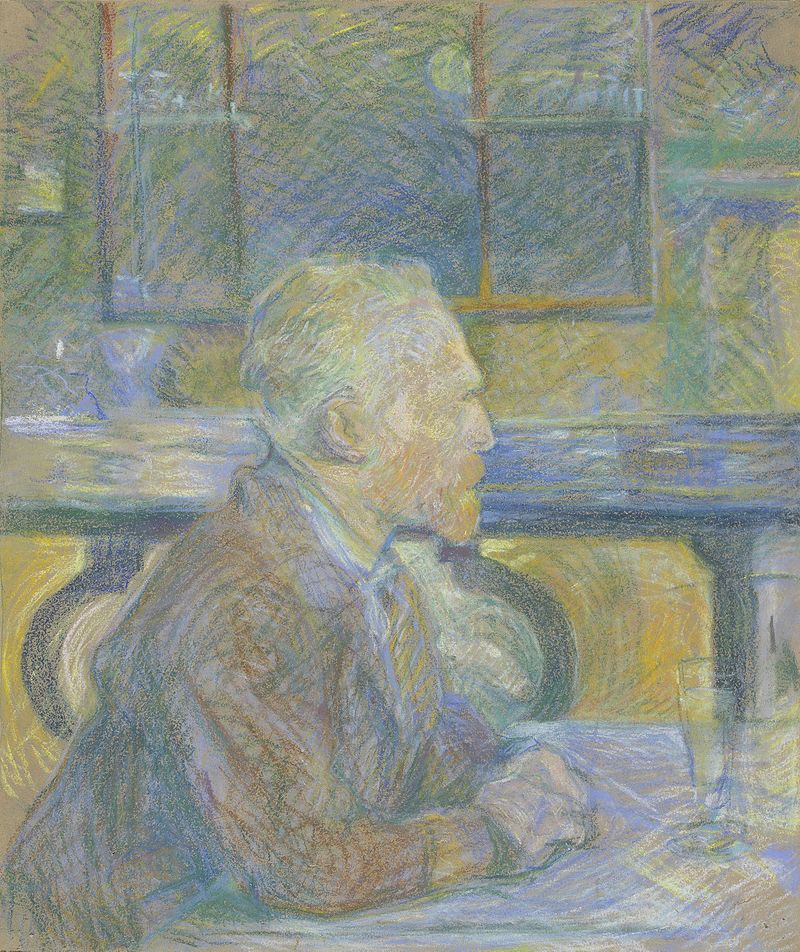
Fig. 9. de Toulouse-Lautrec, H. Portrait of Vincent van Gogh (1887) 
Fig. 10. Garguin, P. van Gogh Painting Sunflowers (1888) 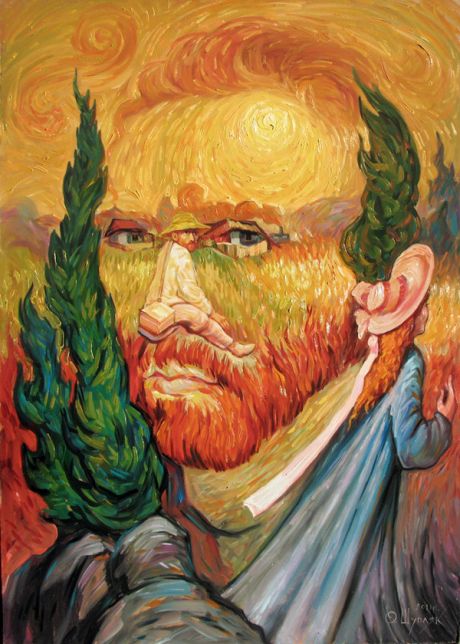
Fig. 11. Shupliak, O. Double Portrait of van Gogh (2011) 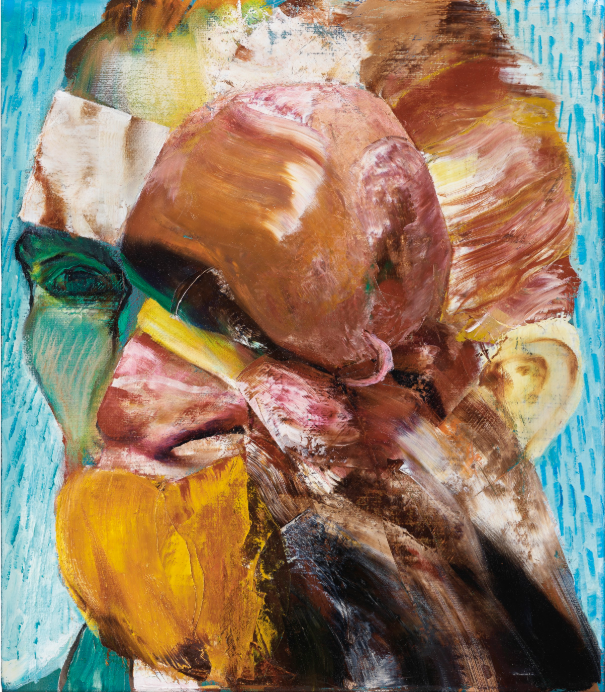
Fig. 12. Ghenie, A. The Lidless Eye (2017)
Again, I considered the questions put to me in the course manual:
- Does the artist[s] portray van Gogh [himself or herself] as an artist? Having chosen several artists at random, it is interesting to note that they all appear to have used a similar colour palette and technique to that used by van Gogh himself – perhaps this was the artists way of paying homage to van Gogh whilst also showing their ability to experiment and expand on them.
- What is the purpose of the [self-] portrait? The portraits are clearly created to pay homage to van Gogh, as stated above. I also think the artists are trying to show their own personalities and also their interpretation of van Gogh’s personality and troubled existence.
- What impression is the artist trying to convey? Again, I think the artists have tried to explore van Gogh’s troubled existence and developing techniques. Whilst Russell does not follow suit of the other artists, it is apparent he has tried to emulate the sincere atmosphere of van Gogh’s mental state, but that he also feels van Gogh is deserving of a traditional portrait with the level of beauty and charisma as those created by the likes of Rembrandt. Shupliak’s piece is extremely clever and intriguing as there is so much going on with hidden symbols everywhere within the piece, yet still keeping to the colour scheme and layout preferred by van Gogh.
- What impression is actually conveyed? Again, I think the impressions conveyed are rather successful regardless of their differences. Ghenie’s piece is rather different to the other pieces, however, it is still extremely impressive and really reminds me of the fact van Gogh is so notoriously well known for the fact he removed one of his ears. This piece is very successful in the sense it shows that Ghenie fully appreciates and understands van Gogh’s struggles with mental health – almost looking as though half of van Gogh’s head is literally scrambled with the mental struggle.
Reflection
This research point has been really eye opening for me as it has really shown me that there is a lot which goes into creating a powerful self-portrait, including the desire of the artist to portray a sense of themselves, not just the ‘picture perfect’ self they are presumed to hold. It is funny to think that these artists would probably not really want their painted versions of themselves as their social media photographs in real life. I think this shows a real sense that you can portray certain aspects of yourself that you would not normally show to the world through the medium of painting and drawing and it actually come across in a more interesting way than it would in the real world. Almost as though you are showing yourself but by depicting someone else to distance the emotional connection found in photographs.
List of Illustrations
Fig. 1. Courbet, G. (1843-1845) Desperate Man (Self Portrait) [Unknown] At: https://www.behance.net/gallery/52891167/Gustave-Courbet-Desperate-Man-(modernised) (Accessed on 30 May 2020)
Fig. 2. van Gogh, V. (1889) Self-Portrait [Oil on canvas] At: https://commons.wikimedia.org/wiki/File:Vincent_van_Gogh_-_Self-Portrait_-_Google_Art_Project.jpg (Accessed on 30 May 2020)
Fig. 3. Bolivar Manson, J. (c.1912) Self-Portrait [Oil on canvas] At: https://www.tate.org.uk/art/artworks/manson-self-portrait-n04929 (Accessed on 30 May 2020)
Fig. 4. Schiele, E. (1912) Self-Portrait with Physalis [Unknown] At: https://www.widewalls.ch/famous-self-portraits/egon-schiele-self-portrait-with-physalis-1912/ (Accessed on 30 May 2020)
Fig. 5. Coltsmann, F. (c. 2019) Self-Portrait 2/18 [Acrylic on canvas] At: https://www.studioupstairs.org.uk/product/self-portrait-218/ (Accessed on 30 May 2020)
Fig. 6. Kahlo, F. (1926) Self Portrait in a Velvet Dress [Unknown] At: https://blog.singulart.com/en/2019/09/18/self-portrait-in-a-velvet-dress-frida-kahlos-first-auto-portrait/ (Accessed on 30 May 2020)
Fig. 7. Schjerfbeck, H. (1915) Self-Portrait [Unknown] At: https://www.theguardian.com/artanddesign/2019/jul/26/helene-schjerfbeck-self-portrait-black-background-1915#img-1 (Accessed on 30 May 2020)
Fig. 8. Russell, J. (1886) Vincent van Gogh [oil on canvas] At:https://en.wikipedia.org/wiki/File:Vincent_van_Gogh_-_s0273V1962_-_Van_Gogh_Museum.jpg (Accessed on 30 May 2020)
Fig. 9. de Toulouse-Lautrec, H. (1887) Portrait of Vincent van Gogh (1887) [Pastel on cardboard] At: https://commons.wikimedia.org/wiki/File:Toulouse-Lautrec_de_Henri_Vincent_van_Gogh_Sun.jpg (Accessed on 30 May 2020)
Fig. 10. Garguin, P. (1888) van Gogh Painting Sunflowers [Oil on jute] At: https://en.wikipedia.org/wiki/File:Paul_Gauguin_-_Vincent_van_Gogh_painting_sunflowers_-_Google_Art_Project.jpg (Accessed on 30 May 2020)
Fig. 11. Shupliak, O. (2011) Double Portrait of van Gogh [Painting] At: http://arts-ua.com/artists/MrOlik/9129/217857/ (Accessed on 30 May 2020)
Fig. 12. Ghenie, A. (2017) The Lidless Eye [Oil on canvas] At: https://www.christies.com/lotfinder/Lot/adrian-ghenie-b-1977-the-lidless-eye-6236031-details.aspx (Accessed on 30 May 2020)
 Rachael's OCA Blog: Painting One: The Practice of Painting


One thought on “Research Point 3.2.0: Self-Portraits”