

Having received my tutor’s feedback for this part of the course, I was rather relieved to find he felt it my strongest submission so far. I feel this is due to it being my favourite topic of the several different ones and so I am naturally more enthused about delving into the work ahead of me. I do feel, however, that this is not always a good thing. From my tutor’s feedback, I can see a much greater appreciation for the work I found the most tedious and least appealing to me, those being the full figure and multiple figure pieces. Perhaps this is due to the lack of care taken within these exercises, thus leading to a more authentic, raw finish. These were the pieces I was least concerned with ‘finishing’ and more concerned with ‘getting through’, so does this in turn show my lack of inhibition? Perhaps my focus on those areas which appeal most to me is actually not the area in which I should be fully focussing my attentions and instead should consider working on areas which appeal more to me than most others, but not as strongly as the head and shoulders or, alternatively, focussing on my main area of interest (head and shoulders), but just trying to ‘get through’ them too as opposed to throwing in too much care and honing.
Artist Recommendations
Marlene Dumas
Watery, Fluid Paintings of Faces and Figures, and Relinquishing /Handing Control Back to Paint / Paintings
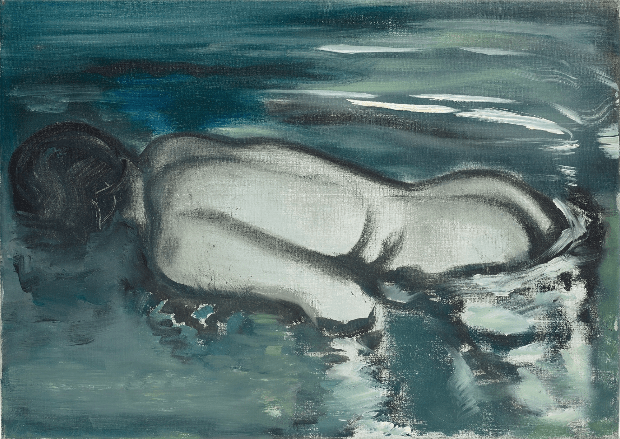
Fig.1. Dumas, M. Losing (Her Meaning) (1988) 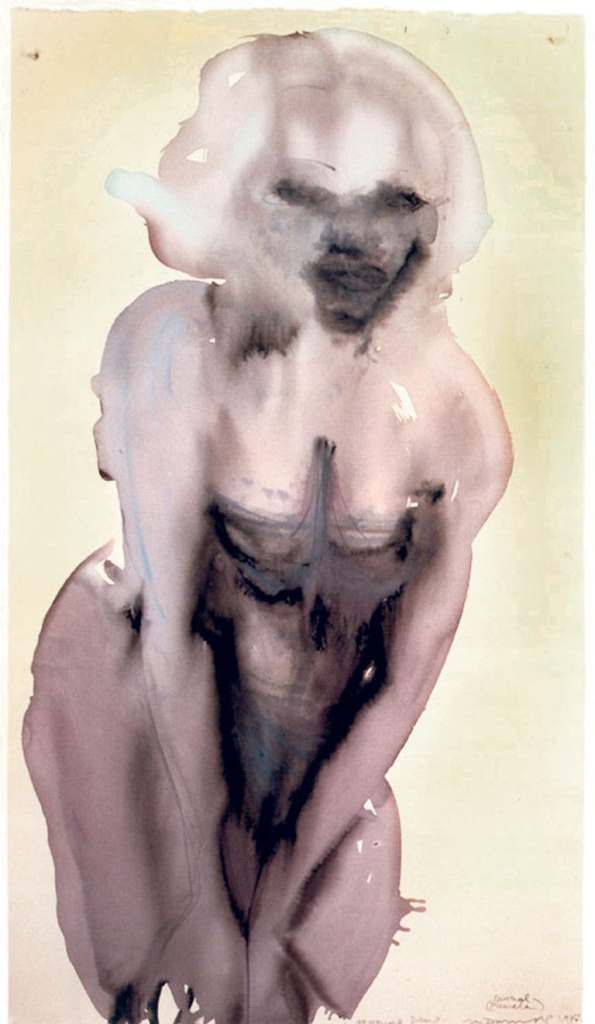
Fig.2. Dumas, M. Morning Dew (1997) 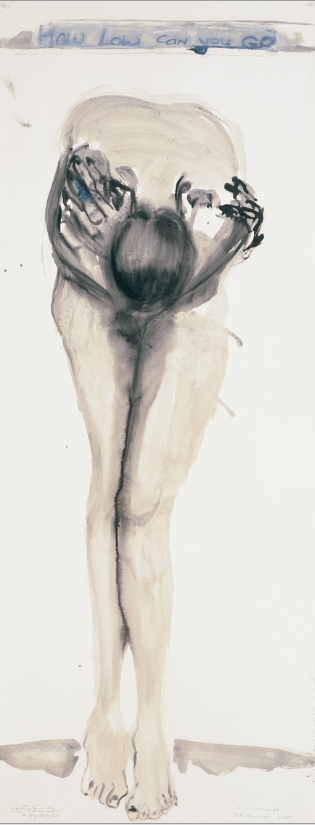
Fig.3. Dumas, M. How Low Can You Go (2000)
Having researched this artist previously, I was rather pleased to have her pop up again for me to explore further. I found, however, that I had slightly forgotten about work and the attachment I had developed to it. I am completely drawn to the watery method and gentle use of colour to create her works. Whilst the face is apparent in Fig. 2., there is no ‘realness’ to it, however, it still works to give the viewer the complete sense of a woman slightly leaning forward towards the ‘camera’. Again, in Fig. 3., the hands are almost monster-like when viewed closely, yet when considered briefly in the larger context, you see movement and a crossing of the arms. Whilst the colours used are gentle and subtle and the pose rather dainty from a distance, when considered closely, the viewer cannot help but wonder whether the model is grimacing in pain. With regard to Fig. 1. the colours are much more intense and the pose of the model which when considered together lead the viewer to wonder about the possibility that the model is actually deceased floating in the water. It is actually rather sinister in appearance and leads to a rather interesting question for the viewer to consider without ever fully understanding the actual reasoning. I really like how Dumas allows the pieces to take on a life of their own in their development and gently guides them but does not limit them. This is a great visual aid to understanding my tutor’s comments regarding being aware but not too aware of what is developing.
Dana Schutz and Allison Katz
Unusual Approaches / Arrangements of Figurative Subject Matter
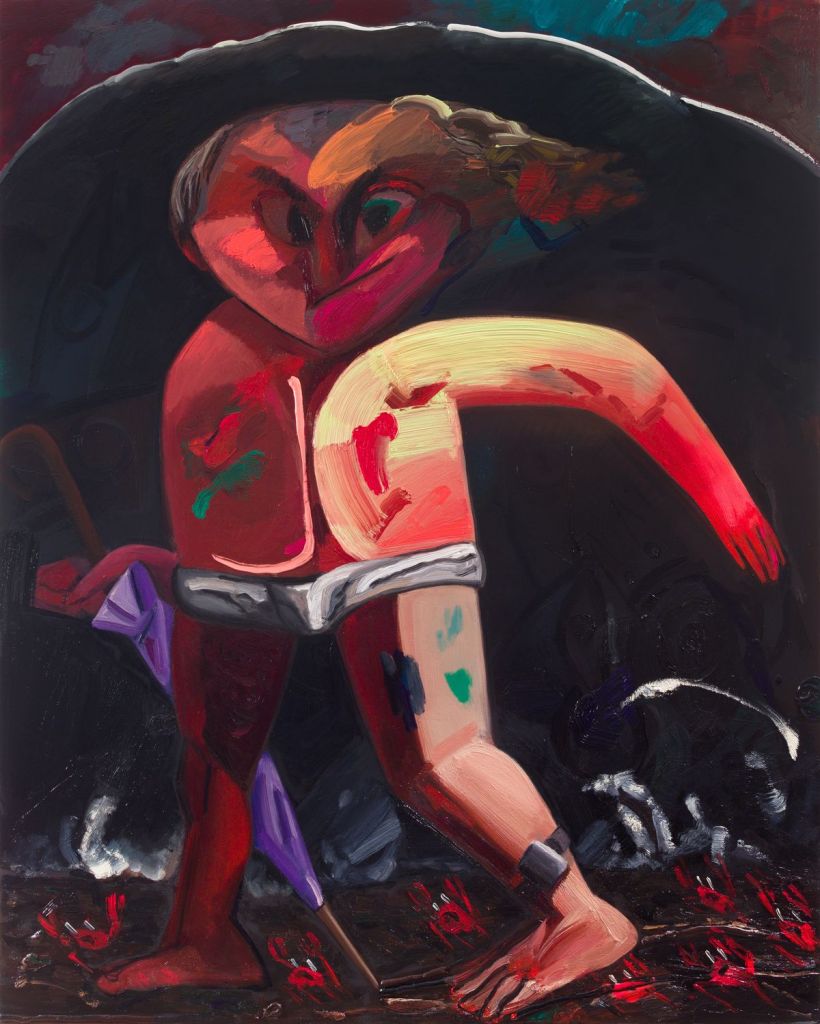
Fig. 4. Schutz, D. The Wanderer (2018) 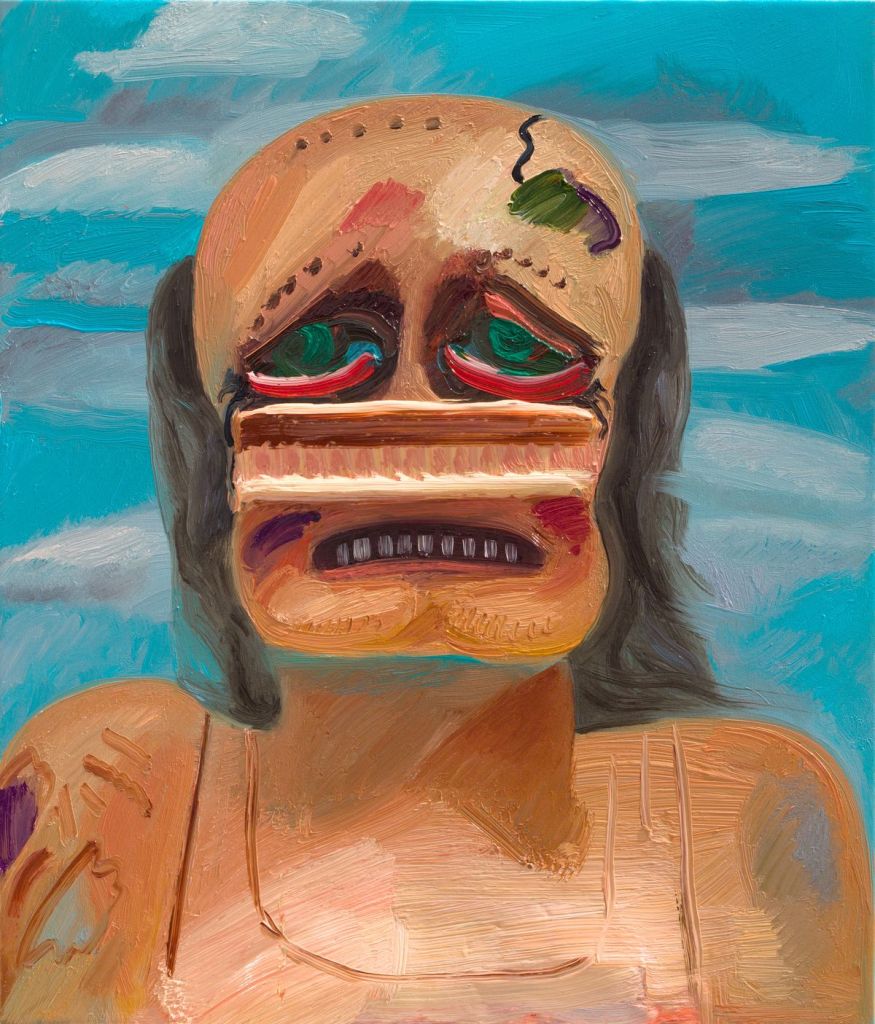
Fig. 5. Schutz, D. Bat (2018) 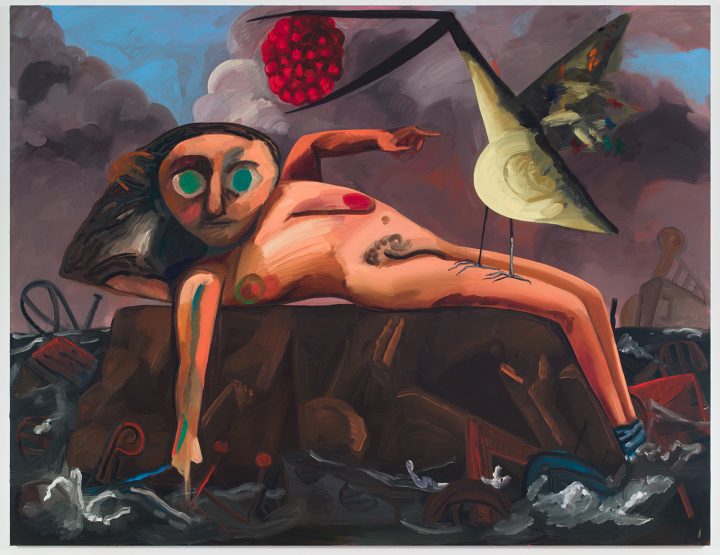
Fig. 6. Schutz, D. The Visible World (2018) 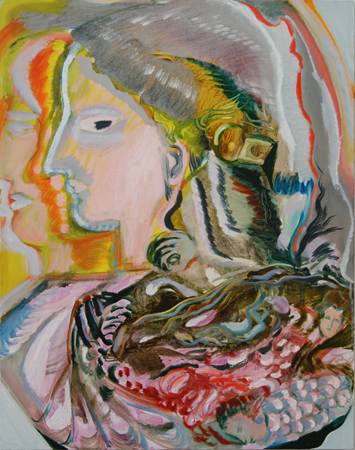
Fig. 7. Katz, A. Coin (2008) 
Fig. 8. Katz, A. Muse with a Short Fuse (2018) 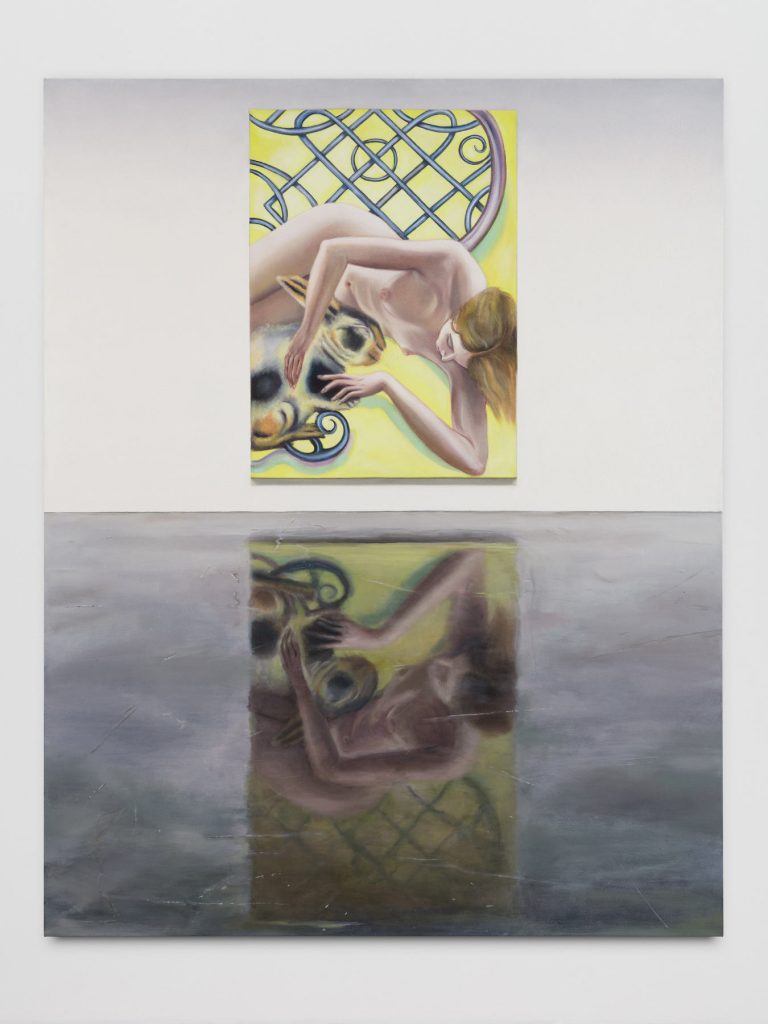
Fig. 9. Katz, A. pb (2018)
With regard to Schutz’s work, I really like the bold colours used, but I can definitely understand my tutor recommending these to me to consider. Yes, they display the human form, but in a much less than ‘perfect’ way. The features are exaggerated and distorted, yet they are easily recognisable as figures. There is a cartoon likeness within them and they could all actually be from the same TV show, perhaps. Thinking of them this way, I judge them to be rather scatty and cheeky in their personality. In fact, I can almost create a whole series of adventures these ‘savages’ may find themselves in, leaving me excited about the possibilities and wanting to see more. This is really interesting and something to consider within my own work going forward.
With regard to Katz’s work, this is completely different again, however, the human form is very clear and the poses intriguing and alternative to the ‘precious’ approach I feel I may actually have been taking within my own work. Again, this is rather interesting and something worth considering within my own pieces to create intrigue and narrative.
Alex Katz
Use of Flat Colour and Naive Approach to Painting Figures and Faces
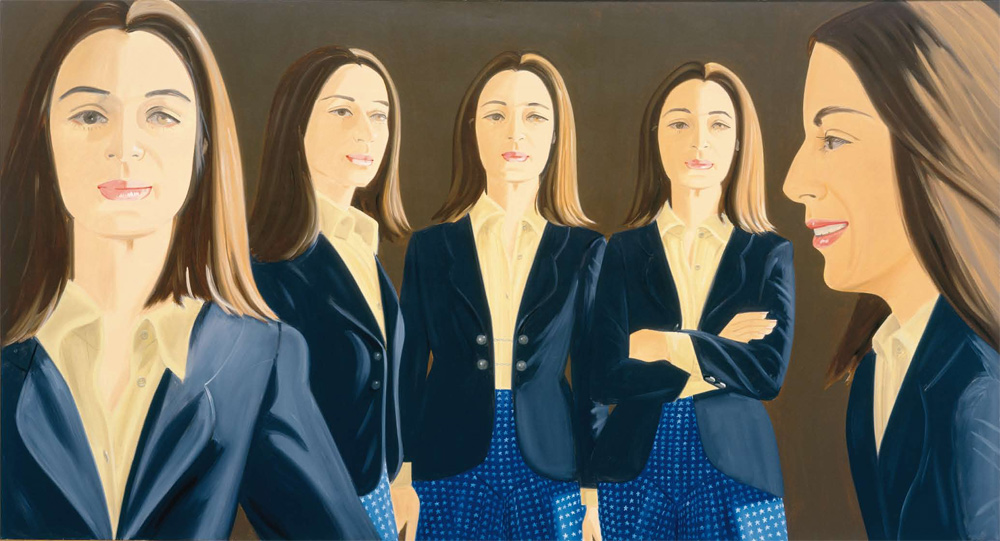
Fig. 10. Katz, A. The Black Jacket (1972) 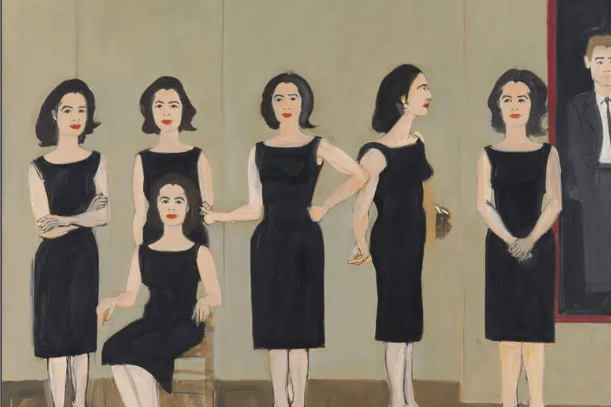
Fig. 11. Katz, A. Red Coat (1982) 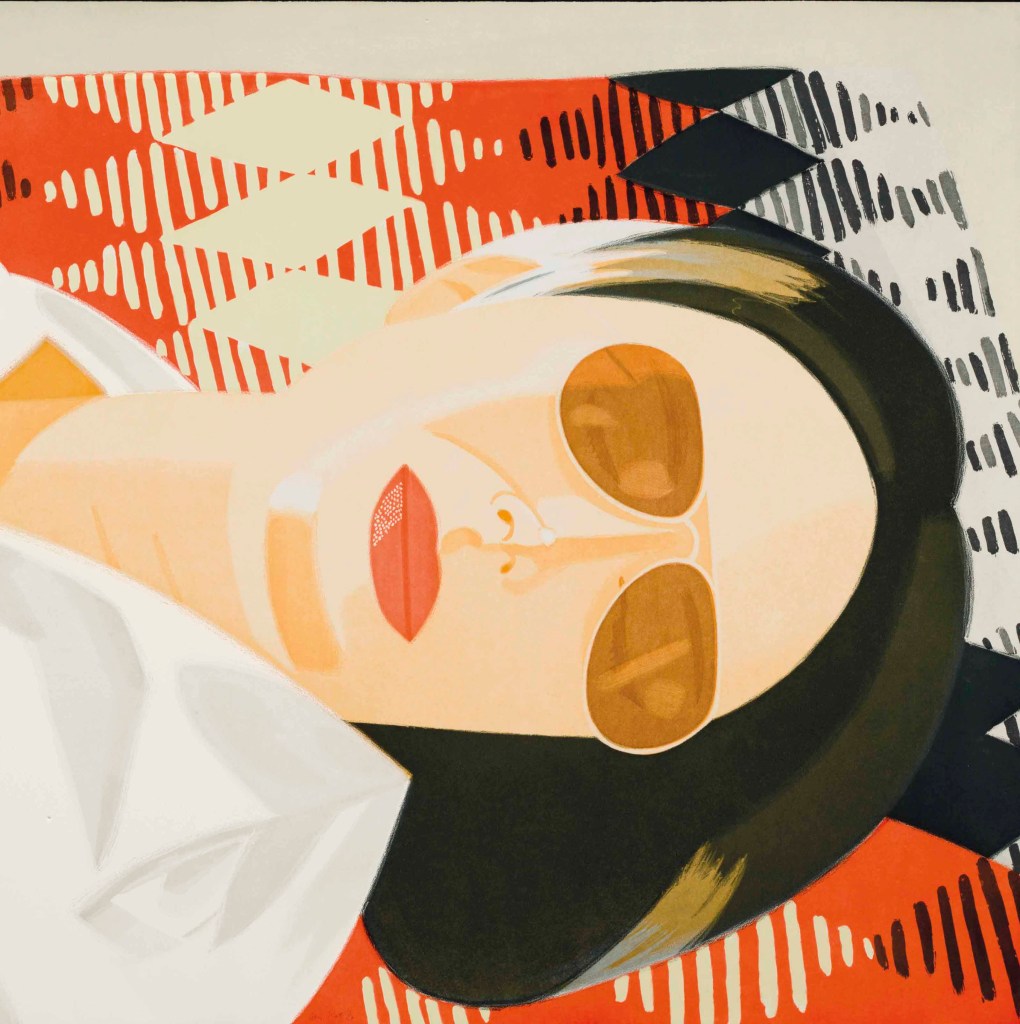
Fig. 12. Katz, A. Reclining Figure / Indian Blanket (1987)
I then researched the work of Alex Katz and found that this, once again, was far different from the techniques researched above. The flesh tones are rather natural, however, they are flat yet this does not take away from the final pieces. You can clearly appreciate the depth within the pieces and there is a sense of realness to them, most notably in Fig. 10. and Fig. 12. I think, perhaps, this is due to the flat highlighted areas placed strategically within the piece. I also like the fact the figures are repeated several times in different poses within Fig. 10. and Fig. 11. I am intrigued as to what each woman is doing, why they are doing it, what conversations they may be having with each other and so on. The figure and features are rather simplified and I feel this may be something I need to consider further. My tutor advises that I potentially concentrate on the finer details of the face too much and looking at these – Fig. 12. in particular – I can see that simplistic can be just as bold and believable.
Chantal Joffe
Treatment of Subject Matter in Lively and Evocative Figurative Paintings
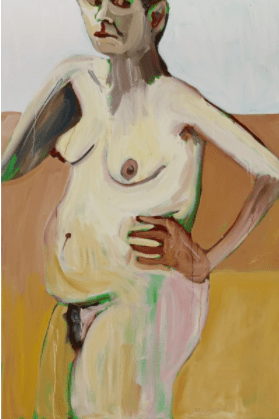
Fig. 13. Joffe, C. Self-Portrait with Hand on Hip (2014) 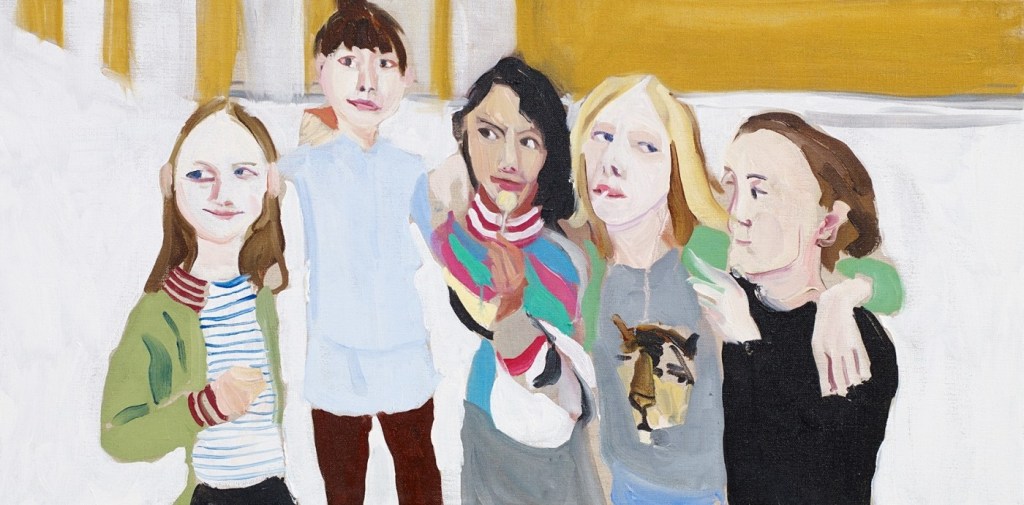
Fig. 14. Joffe, C. Poppy, Esme, Oleanna, Gracie and Kate (2014) 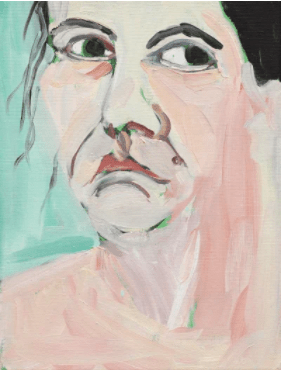
Fig. 15. Joffe, C. Self-Portrait I (2018)
These pieces intrigue me very much. The features are present and in the right places generally, yet the ‘beauty’ I feel I have been trying to apply to my pieces has been totally stripped away. The artist has even shown a very vulnerable side to herself within Fig. 14. especially, showing herself in a less than flattering stance, showing herself in what is actually a realistic manner for a lot of us. Fig. 15. also makes me feel like this. This humility is actually something I would rather like to experiment with in my own work. How ‘ugly’ can I make the truth? Can I show the ‘real’ me to the world without the shame it entails? This is rather psychologically powered and I feel shows the artist to be a rather strong, brave person mentally. Turning to Fig. 13., I really like the fact that, similar to the works of Katz above, the number of figures within the piece is rather interesting and leads the viewer to question what they are doing, why they are there, whether they are popular and so on. Again, you can create a whole background world for the figures just by looking at the piece. This is rather interesting to me and something to consider also.
John Hoyland
Approach to all Genres and Aspects of Painting
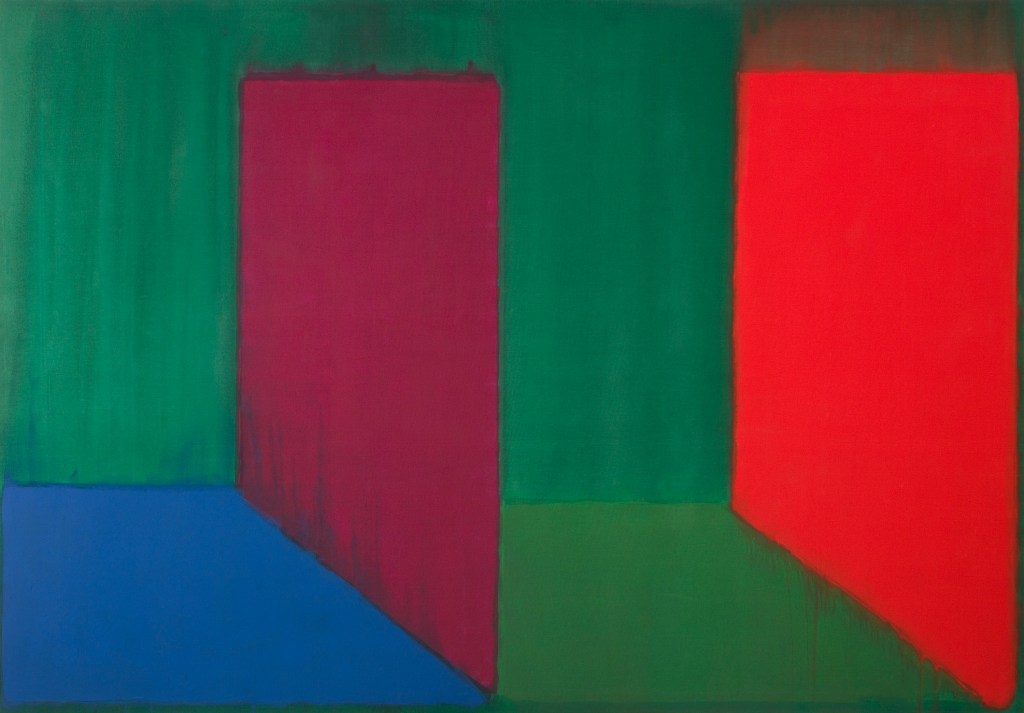
Fig. 16. Hoyland, J. 7.11.66 (1966) 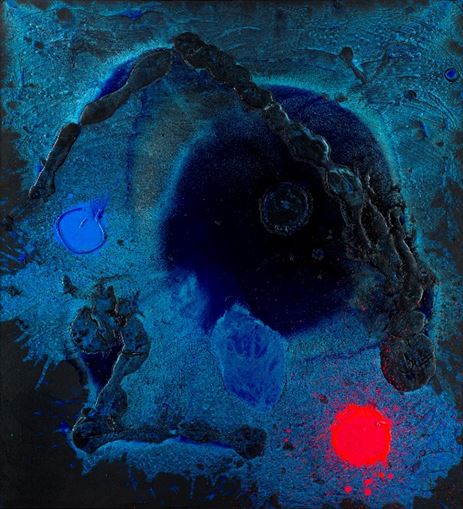
Fig. 17. Hoyland, J. When Time Begins (Mysteries 11) 15.11.10 (2010) 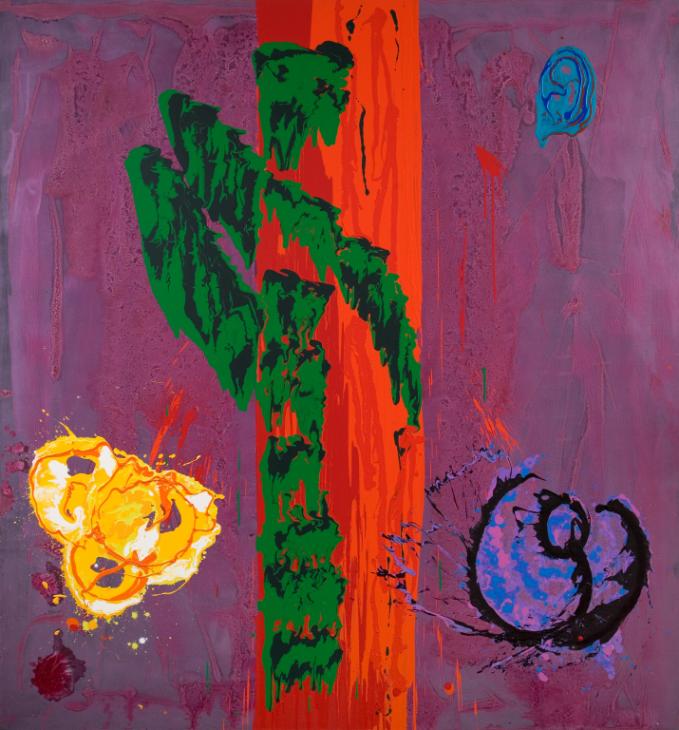
Fig. 18. Hoyland, J. Story From Nature 12.9.96 (1996)
Whilst my tutor did not necessarily recommend I consider the works, but rather the video discussed below, I decided I wanted to consider these first before watching the video to see if my ideas match up with those of the artist and build my own opinion on the pieces first.
Looking at the pieces selected, it is clear the artist enjoys the use of bold, bright colours as well as ideas of a sinister nature.
I really like the simplistic approach taken to the colours within the piece and the shapes. There is evidence of depth within all three pieces too; in Fig. 16. and Fig. 18., the direction of the outlines of the shapes seems to create the idea of depth in the form of a wall, floor and doorway which is rather interesting to note and something I could possibly consider in my next area, landscape, in a way of simplifying the details within.
Six Days in September
Having watched the suggested video, the main thing I noticed as the episode went on and the days progressed was that Hoyland’s mood and demeanor spirals in a downward manner slowly but surely. It is easy to see that the process begins as a rather lighthearted task for him but soon becomes serious and arduous. I took notes of some of the comments (in a paraphrased manner) made by the artist during the creation process, as follows:
- Paintings never behave in the same way due to being almost another organic matter which cannot be found in other mediums, yet the process is a rather fragile one.
- Hoyland sees his work as rather controversial and knows that it is adored by some but disliked by others and appears to have come to terms with this.
- He also believes his methods have developed over time in a evolutionary way.
- The radio playing in the background helps Hoyland relax his consciousness, allowing him to be less controlled and concerned with the outcome due to its distracting nature.
- Hoyland confesses that he feels creating paintings is rather ‘ridiculous’ as one is constantly wondering whether a piece is strong enough to urge people to want it as no-one wants it in the first place. He seems to struggle with this and maintaining his confidence to see a painting through to its natural end without succumbing to defeat.
- I was intrigued by Hoyland’s method of staining the support before beginning a piece regardless of the fact he has no concept of what is to come or where the process will lead. He also comments further down the line that he finds he cannot think the creative process through first and simply has to go along with what is happening and think each stage through as it is happening.
- Hoyland believes that it is much to easy to create a ‘beautiful’ piece and that one almost has to ‘unlearn’ things in order to create more naive pieces which teeter on the precipice of potentially going wrong, but also potentially working rather well.
- There is comment of how one does not think about colour, but simply responds to it and it is unclear why we choose certain colours over others one time, yet may look at the same colours another time and be repulsed by them.
- One comment I was interested in was Hoyland’s comment regarding how when working with the figure, the more realistic it is, the better, yet when working with abstract pieces, the less control there is applied leads to much better pieces.
- I also found it rather amusing that Hoyland made comment to the fact that painting is used for theraputic purposes, however, he finds that it is a completely nerve-wracking process and would not recommend it!
- He also points out that he regularly includes after images in his pieces and will often spend hours upon hours just sitting looking at his pieces during the creation process.
- With regard to his application methods, there is something rather soothing about the way in which he applies his paint to the piece; firstly slapping it on in a watery manner, then thicker with a brush, thickly with knives, in a ‘dripping’ method by rotating the canvas and also by dabbing via paint on a piece of newspaper, constantly going over and over the same areas, applying colour over colour and creating texture as a result.
- Hoyland admits that he hates to see paint wasted when a piece isn’t working and he needs to go over, however, I feel this process of creating texture is really appealing and is less of a waste of paint, rather the use of paint to create the desired end result.
- Hoyland comments that he aims to create simple pieces, but not ones which have been created with a simple mind. I do not think anyone viewing the process of the end result could view that as simple, whereas if the paint was simply applied without the process leading up to it, it would not hold the same amount of intrique or appeal.
Dexter Dalwood
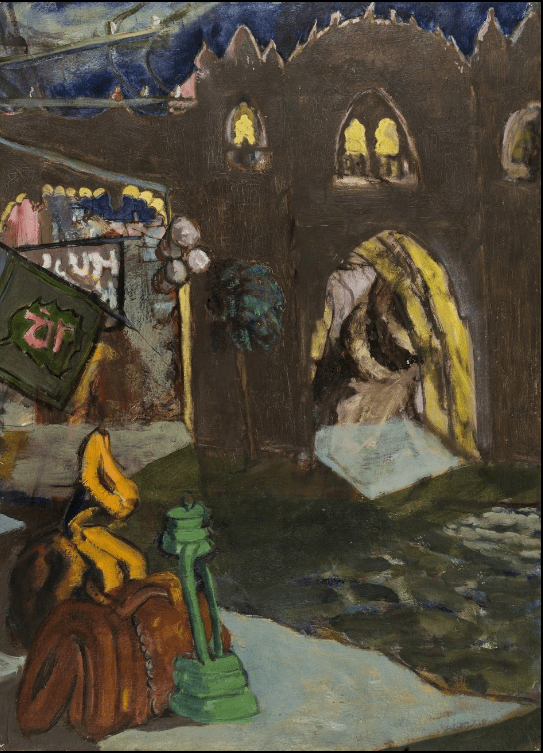
Fig. 19. Dalwood, D. City of Signs (1986) 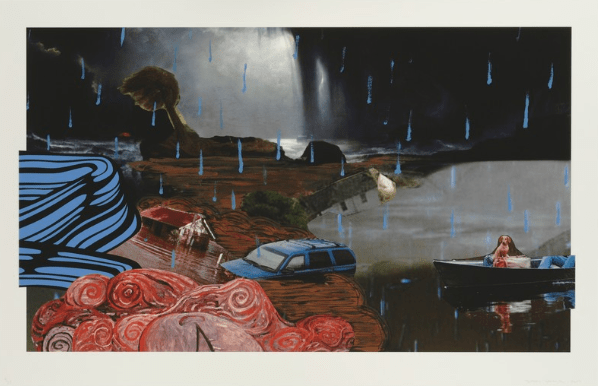
Fig. 20. Dalwood, D. The Deluge (2007) 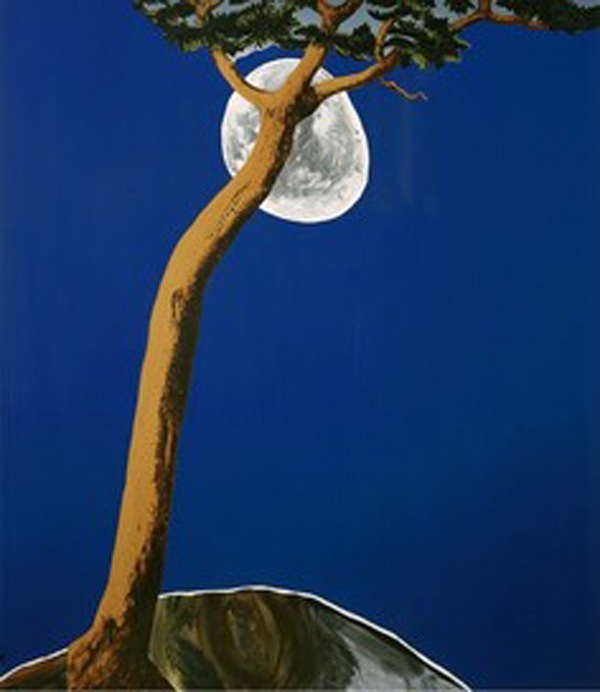
Fig. 21. Dalwood, D. Death of David Kelly (2008)
Again, whilst my tutor recommended reading the Q&A in the Turps Banana magazine, I had to wait a while to receive this through the post and so decided to consider several of the artist’s pieces first.
It is instantly apparent that this artist is completely different to those viewed previously. I was instantly drawn to Fig. 21. due to the bold colouring and strong contrasts. The piece is so simple and yet so bold and mesmerising. Fig. 19. and Fig. 20., on the other hand, are rather busy and include a lot of interesting parts to consider within the piece as a whole. Whilst I feel this is a little out of my comfort zone, I do like the concept of including extra information to keep the viewer interested, however, I was drawn to these pieces due to their sinister nature and the depth created within them.
Questions & Answers, Turps Banana
I will complete this section once I have had chance to fully consider the content of the article.
Hans Hoffman
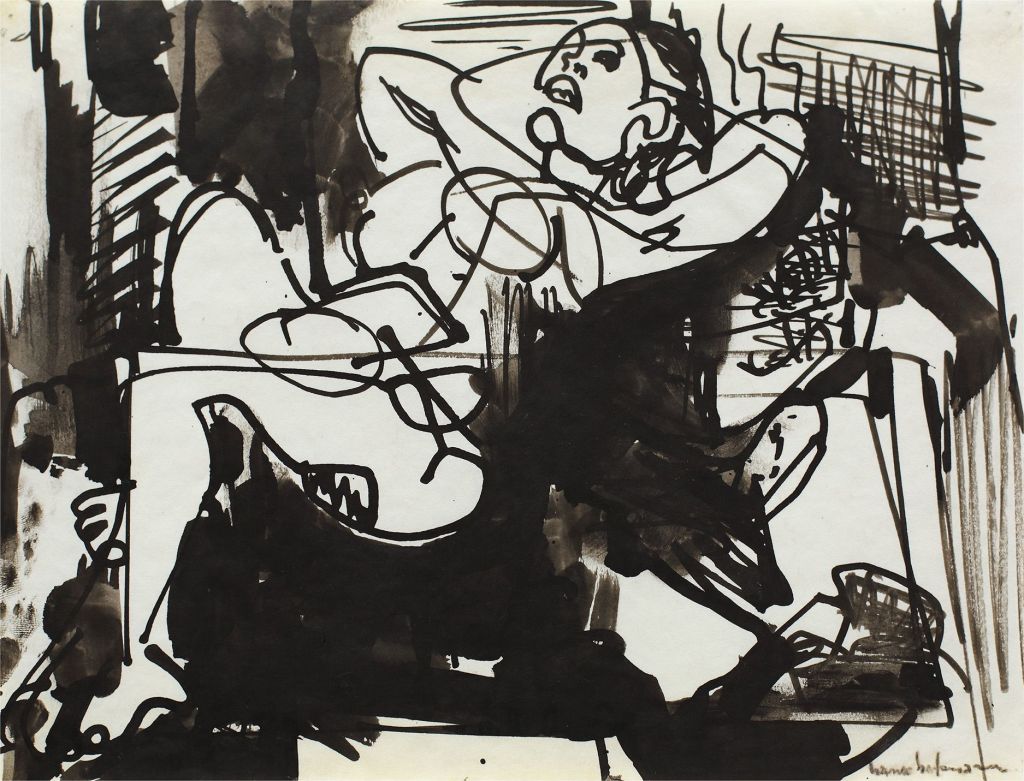
Fig. 22. Hoffman, H. Untitled Figure (1934) 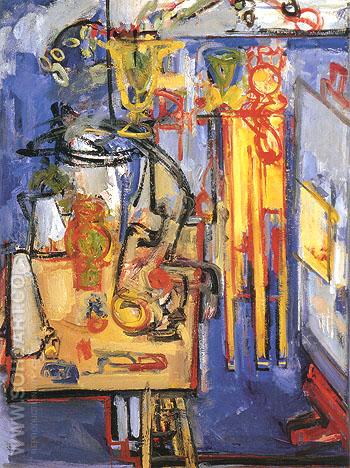
Fig. 23. Hoffman, H. Interior Still Life with Figure (1935) 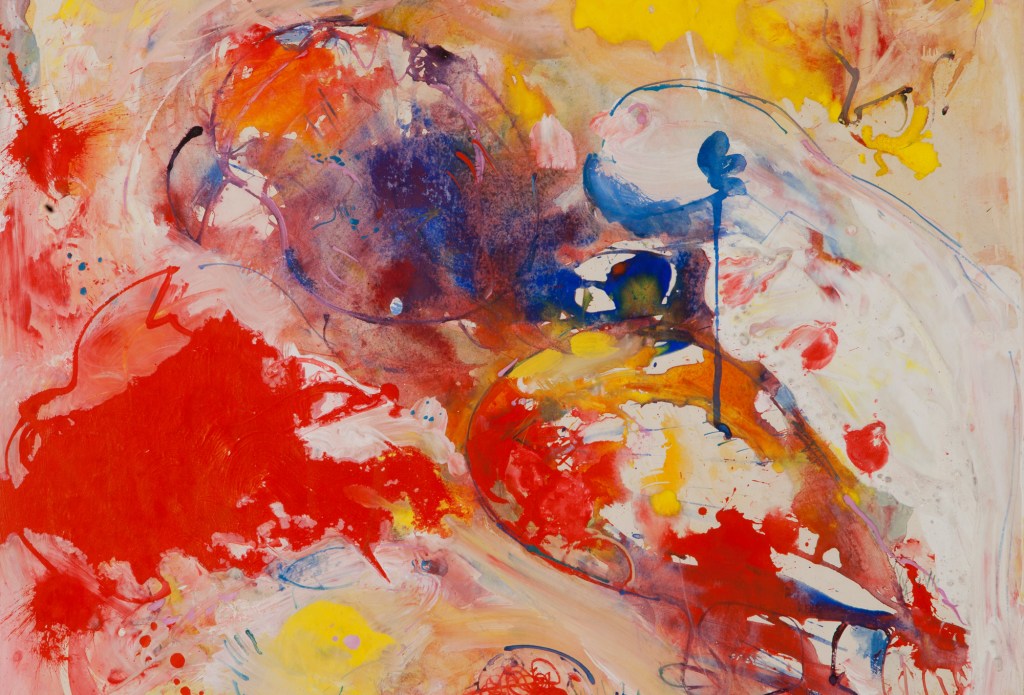
Fig. 24. Hoffman, H. Summer Night’s Bliss (1961)
Finally, my tutor recommended the below in respect of this artist, however, I was unable to purchase it straightaway, so I again decided to consider some works.
I was instantly drawn to the above three pieces due to their tonal contrasts, messy nature and hidden messages and stories. Fig. 22. is obviously the figure of a reclining woman, yet it has been created merely with a few squiggles and splats applied in what would appear to be a random way. The same rings true in respect of Fig. 23. and Fig. 24., but the use of colour creates even more opportunity for hidden messages and stories – both intended and unintended due to the overlapping of the colours – unavailable within the solidness of the black. Again, this freeness is definitely something I should consider. Perhaps attempting to recreate something like this and playing with my paints to warm myself up and assist in stripping away my yearning for control over the medium.
Search for the Real
List of Illustrations
Fig. 1. Dumas, M. (1988) ‘Losing (Her Meaning)’ [Oil on canvas] At: https://www.phillips.com/detail/marlene-dumas/UK010419/18 (Accessed on 6 October 2020)
Fig. 2. Dumas, M. (1997) ‘Morning Dew’ [Ink wash, watercolor and metallic acrylic on paper] At: (Accessed on 6 October 2020)
Fig. 3. Dumas, M. (2000) ‘How Low Can You Go’ [Ink and acrylic on paper] At: https://www.artsy.net/artwork/marlene-dumas-how-low-can-you-go (Accessed on 6 October 2020)
Fig. 4. Schutz, D. (2018) ‘The Wanderer’ [Unknown] At: https://www.artsy.net/article/artsy-editorial-dana-schutz-stages-bold-return-form-whitney-biennial-controversy (Accessed on 6 October 2020)
Fig. 5. Schutz, D. (2018) ‘Bat’ [Unknown] At: https://www.artsy.net/article/artsy-editorial-dana-schutz-stages-bold-return-form-whitney-biennial-controversy (Accessed on 6 October 2020)
Fig. 6. Schutz, D. (2018) ‘The Visible World’ [Oil on canvas] At: https://flash—art.com/article/dana-schutz-weathering-the-storm/ (Accessed on 6 October 2020)
Fig. 7. Katz, A. (2008) ‘Coin’ [Oil on panel] At: https://www.artslant.com/lon/works/show/291114 (Accessed on 6 October 2020)
Fig. 8. Katz, A. (2018) ‘Muse with a Short Fuse’ [Acrylic on canvas] At: https://artviewer.org/allison-katz-at-antenna-space/ (Accessed on 6 October 2020)
Fig. 9. Katz, A. (2018) ‘pb’ [Oil, acrylic and sand on canvas] At: https://artviewer.org/allison-katz-at-antenna-space/ (Accessed on 6 October 2020)
Fig. 10. Katz, A. (1972) ‘The Black Jacket’ [Oil on canvas] At: https://www.saatchigallery.com/aipe/alex_katz.htm (Accessed on 6 October 2020)
Fig. 11. Katz, A. (1982) ‘Red Coat’ [Oil on canvas] At: https://www.saatchigallery.com/aipe/alex_katz.htm (Accessed on 6 October 2020)
Fig. 12. Katz, A. (1987) ‘Reclining Figure / Indian Blanket’ [Aquatint in colours on Somerset Satin paper] At: https://www.christies.com/lotfinder/Lot/alex-katz-b-1927-reclining-figureindian-5813251-details.aspx (Accessed 6 on October 2020)
Fig. 13. Joffe, C. (2014) ‘Self-Portrait with Hand on Hip’ [Oil on canvas] At: https://www.victoria-miro.com/artists/19-chantal-joffe/ (Accessed on October 2020)
Fig. 14. Joffe, C. (2014) ‘Poppy, Esme, Oleanna, Gracie and Kate’ [Oil on canvas] At: https://www.victoria-miro.com/news/1162 (Accessed on October 2020)
Fig. 15. Joffe, C. (2018) ‘Self-Portrait I’ [Oil on canvas] At: https://www.victoria-miro.com/artists/19-chantal-joffe/ (Accessed on October 2020)
Fig. 16. Hoyland, J. (1966) ‘7.11.66’ [Acrylic on canvas] At: https://abcrit.org/2017/10/09/80-paul-behnke-writes-on-john-hoyland-at-pace-n-y/ (Accessed on October 2020)
Fig. 17. Hoyland, J. (2010) ‘When Time Begins (Mysteries 11) 15.11.10 ‘ [Acrylic paint on canvas] At: https://www.tate.org.uk/art/artworks/hoyland-when-time-began-mysteries-11-15-11-10-t15067 (Accessed on October 2020)
Fig. 18. Hoyland, J. (1996) ‘Story of Nature 12.9.96’ [Acrylic paint on canvas] At: https://www.tate.org.uk/art/artworks/hoyland-story-from-nature-12-9-96-t15066 (Accessed on October 2020)
Fig. 19. Dalwood, D. (1986) ‘City of Signs’ [Acrylic on paper] At: https://www.artsy.net/artwork/dexter-dalwood-city-of-signs (Accessed on 7 October 2020)
Fig. 20. Dalwood, D. (2007) ‘The Deluge’ [Ultrachrome inkjet digital print] At: https://www.artsy.net/artwork/dexter-dalwood-the-deluge-1 (Accessed on 7 October 2020)
Fig. 21. Dalwood, D. (2008) ‘Death of David Kelly’ [Oil on canvas] At: https://www.simonleegallery.com/artists/34-dexter-dalwood/works/8016/ (Accessed on 7 October 2020)
Fig. 22. Hoffman, H. (1934) ‘Untitled Figure’ [Ink on paper] At: https://www.pinterest.cl/pin/517421444667222578/ (Accessed on 7 October 2020)
Fig.23. Hoffman, H. (1935) ‘Interior Still Life with Figure’ [Oil painting] At: https://www.soho-art.com/oil-painting/1205983711/Hans-Hofmann/Interior-still-Life-with-Figure-1935.html (Accessed on 7 October 2020)
Fig. 24. Hoffman, H. (1961) ‘Summer Night’s Bliss’ [Unknown] At: https://www.wikiart.org/en/hans-hofmann/all-works#!#filterName:all-paintings-chronologically,resultType:masonry (Accessed on 7 October 2020)
Bibliography
Six Days in September (1979) [Television programme online] Arena. BBC iPlayer At: https://www.bbc.co.uk/iplayer/episode/p025lrcy/arena-six-days-in-september (accessed on 7 October 2020)
 Rachael's OCA Blog: Painting One: The Practice of Painting